
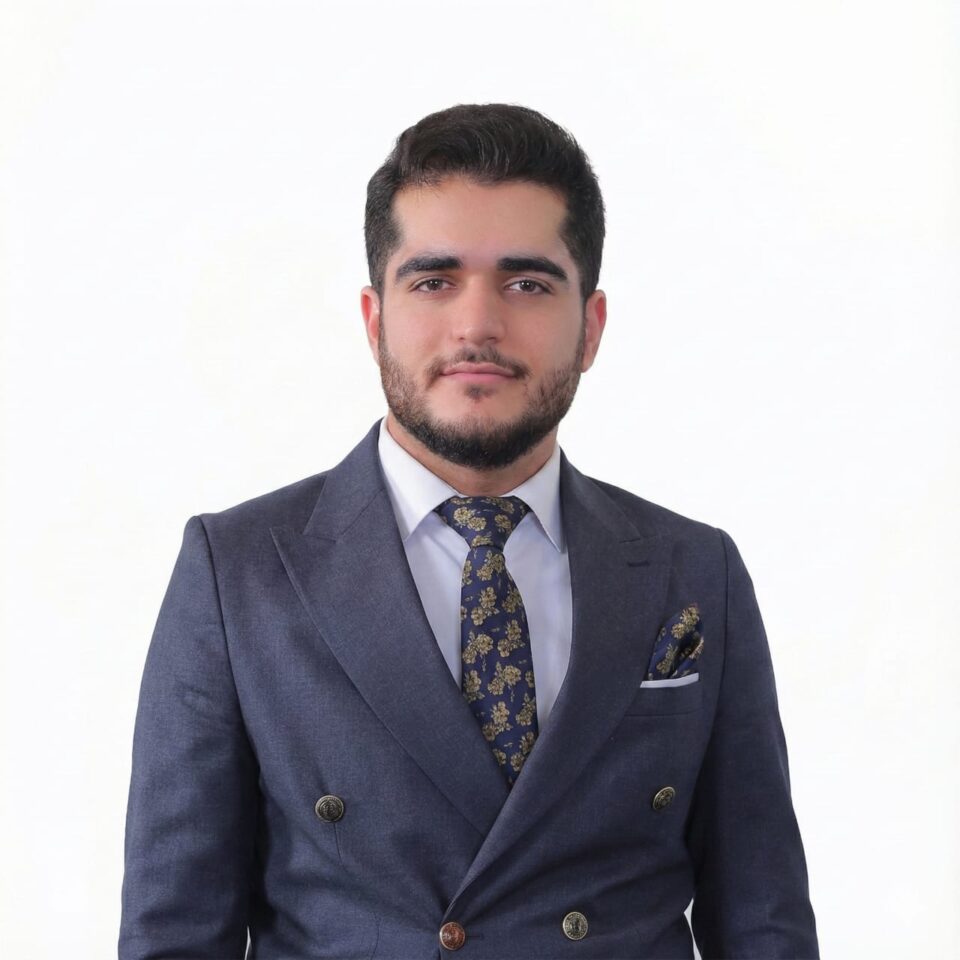
By Ismail Abdullah Ahmed
At the 62nd Munich Security Conference in February 2026, the atmosphere inside the Bayerischer Hof is defined by a palpable anxiety over the erosion of the global rules-based order, yet the Kurdistan Region has managed to carve out a distinct narrative of resilience amidst this instability. The Kurdish delegation, led by President Nechirvan Barzani, is not merely attending to observe; they are executing a calculated diplomatic offensive designed to reinforce the region’s indispensability to Western security architecture. What makes this year’s summit particularly striking is the visible, parallel engagement of the Autonomous Administration of North and East Syria (AANES), including SDF Commander Mazloum Abdi. While operating on separate diplomatic tracks, this dual Kurdish presence forces the international community to confront the security of the Levant as a single, interconnected theater, rather than isolated pockets of crisis.
Monitoring the delegation’s itinerary reveals a clear prioritization of sustaining European military commitments while aggressively courting Gulf capital. President Barzani’s high-profile session with French President Emmanuel Macron was the linchpin of this strategy, a necessary reaffirmation given France’s role as a leading contributor to the anti-ISIS coalition. These are not ceremonial handshakes; they are logistical necessities. With the French contingent of roughly 800 troops serving as a backbone for training operations, maintaining this alliance is existential. Simultaneously, the meeting with Italian Defense Minister Guido Crosetto underscores Rome’s pivotal role in commanding the NATO Mission Iraq. The data supports the urgency of these engagements: monitoring reports indicate a 12% quarter-over-quarter increase in ISIS sleeper cell activity within the disputed territories. The Kurdish argument is simple and persuasive—without the Peshmerga’s interoperability with NATO forces, the containment wall against a jihadist resurgence crumbles.
Beyond hard security, the Kurdistan Region is pivoting toward economic diversification as a survival mechanism. The engagement with Qatar’s Prime Minister, Sheikh Mohammed bin Abdulrahman Al Thani, marks a critical shift. Erbil is actively seeking to unlock foreign direct investment to cover an estimated $5 billion infrastructure gap in the energy and transport sectors over the next five years. This economic diplomacy is framed not as charity, but as regional stabilization. The Kurdistan Region continues to host approximately 930,000 internally displaced persons and refugees, effectively absorbing a demographic shock that would otherwise ripple toward Europe. Analysts estimate that by managing this population locally, Erbil saves the international community roughly $1.2 billion annually in migration management and humanitarian logistics.
The policy implication emerging from Munich is that the Kurdistan Region has successfully transitioned its value proposition. It is no longer just a frontline trench against terror; it is a semi-autonomous anchor in a chaotic Middle East. The delegation has effectively utilized the conference platform to demonstrate that support for Erbil is one of the few high-yield, low-risk investments available to Western powers. As the traditional state-centric system frays, illustrated by the conference’s somber tone, the reliability of the Kurdistan Region stands out. The strategic takeaway is clear: in 2026, preserving the stability of the Kurdistan Region is not merely an ethical preference for the West, but a cold, hard strategic necessity for containing the chaos of the broader Levant.