
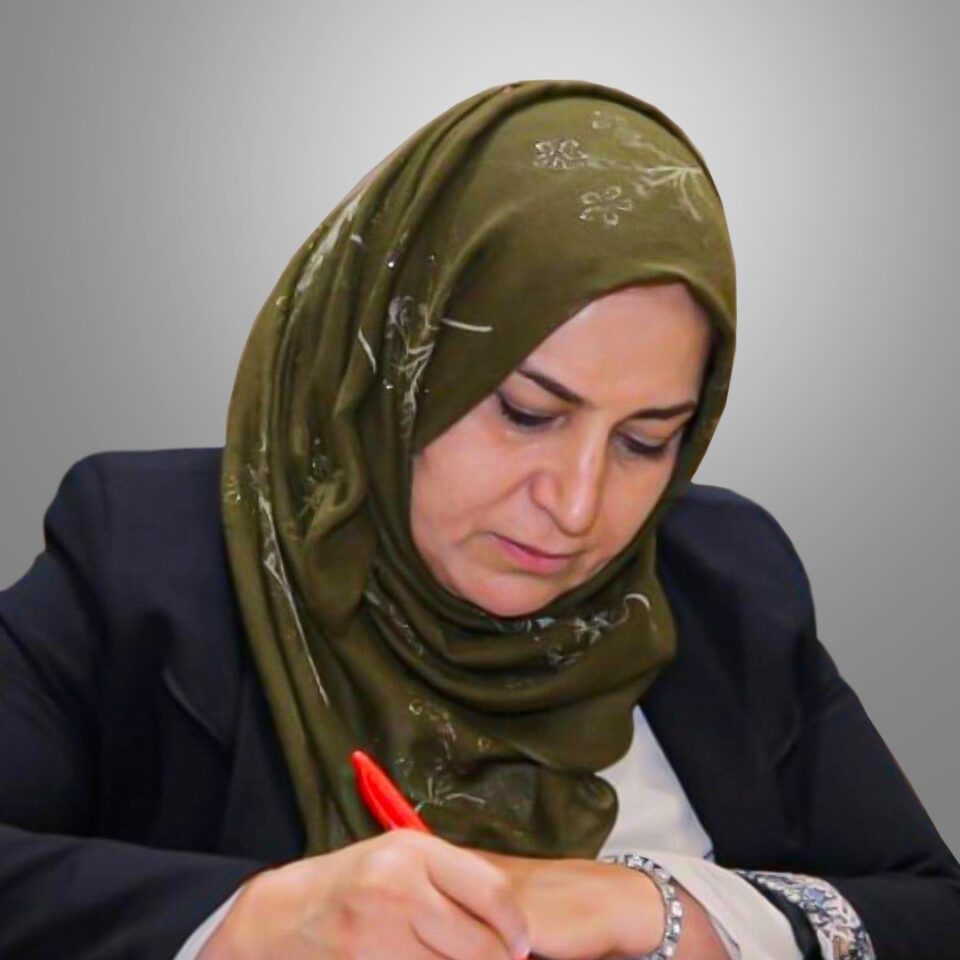
By | Dr. Nazaket Hussen
Iraq is a multi-ethnic and multi-sectarian country. After the fall of Saddam Hussein’s dictatorship, the old system no longer functioned, and rebuilding the nation, drafting a constitution, passing laws, and establishing governance proved challenging.
Among Iraq’s three main components, Kurds, Shi’a, and Sunni, the divisions are primarily sectarian rather than strictly national. Each of these groups occupies significant portions of the country, both demographically and geographically. Under Saddam’s regime, deliberate policies fostered conflict and distrust among these communities.
To ensure stability and peace in a post-dictatorship Iraq, the principle of consensus was enshrined in the country’s constitution. While parliamentary decisions may rely on majority and minority votes for certain laws, the allocation of rights, entitlements, and government positions among the main components has always depended on agreement and mutual understanding. Over the past years, the principles of peace, harmony, and partnership have been promoted as the foundation for governance.
Yet, these principles have never been fully realized. Kurds in the Kurdistan Region and the disputed territories continue to face challenges. Budgets remain unfulfilled, Article 140 of the constitution has not been implemented, and many other constitutionally guaranteed rights remain unmet.
Now, a dangerous development threatens Iraq’s fragile balance. The Iraqi parliament is reportedly considering assigning Kurdish rights in government positions through majority voting rather than consensus. Such a shift risks undermining the very foundation of coexistence and stability in Iraq. It could open the door to renewed conflicts, crises, and distrust among communities that have long endured hardship.
International observers, consulates, and neighboring states must closely monitor this situation. The functioning of the Iraqi Council of Representatives should reflect the principles of consensus and partnership to preserve peace, protect minority rights, and secure the stability of all Iraqis.
The future of Iraq depends not on simple majorities but on meaningful dialogue, cooperation, and a shared commitment to coexistence. Anything less threatens to unravel the progress that has been painstakingly built over the last two decades.