
Kurdistan Regional Government’s Vision, Building for Growth and Social Equityز
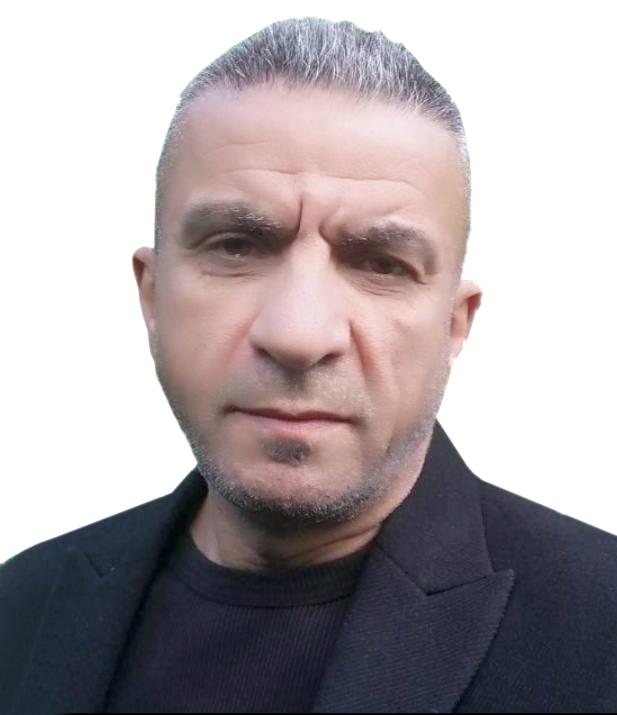
By Saadula Aqrawi
The Kurdistan Regional Government has undertaken an ambitious agenda of infrastructure development aimed at transforming the economic and social landscape of the Kurdistan Region of Iraq. These projects span transportation, water supply, energy, housing, and public utilities, reflecting a strategic push to enhance connectivity, economic activity, and public service delivery across the region. But as physical infrastructure expands, there is a growing call from experts, community leaders, and civil society for this development to be matched with stronger support for low income groups and the establishment of a comprehensive social welfare system that ensures inclusive prosperity for all residents.
Of course projects like “Rоnakі” aim to stabilize and expand electricity supply, with the objective of achieving 24 hour power availability throughout the region by the end of 2026, a historic milestone for Iraq. These investments not only support economic expansion but form the backbone of longer term stability and growth. Yet, infrastructure alone cannot address the full spectrum of social needs in the region.
I believe that one of the most socially transformative projects has been the KRG’s targeted housing initiative for low-income families. Under directives from the regional executive leadership, the KRG began constructing tens of thousands of affordable housing units to ease the burden on vulnerable populations. These units are designed with flexible installment plans aligned with household income, making home ownership and stable living conditions achievable for many families traditionally excluded from real estate markets. We need to Expand Social Welfare and Inclusive Support. While the KRG has made strides in poverty reduction, reporting a lower poverty rate than the national average, policy analysts and civil society advocates emphasize that expanding social welfare systems is essential to ensure the benefits of development reach all segments of society. A robust social safety net is not merely a safety cushion, it is an investment in human capital and social cohesion. By integrating targeted support mechanisms such as, Needs-based assistance programs, Housing subsidies for the economically vulnerable, Food security and unemployment support, Accessible healthcare and education services.
I believe that the government can reduce inequality and build social resilience in the face of economic shocks. Experts argue for data-driven approaches to identify households below the poverty line and tailor interventions accordingly. Such systems reinforce trust between citizens and institutions and offer a foundation for sustainable, equitable growth especially vital in a diverse region with historical grievances and economic disparities.
The KRG’s infrastructure achievements are noteworthy and have catalyzed economic momentum throughout the Kurdistan Region. To ensure that this momentum translates into shared prosperity, it is crucial that future planning, Prioritizes social inclusion, Strengthens social protection frameworks, Links infrastructure with human development goals. Integration of welfare policy into the broader development strategy will enable the region to sustain growth while uplifting its most vulnerable citizens. In doing so, the Kurdistan Region can set a model of equitable modernization, one where development and dignity go hand in hand.