
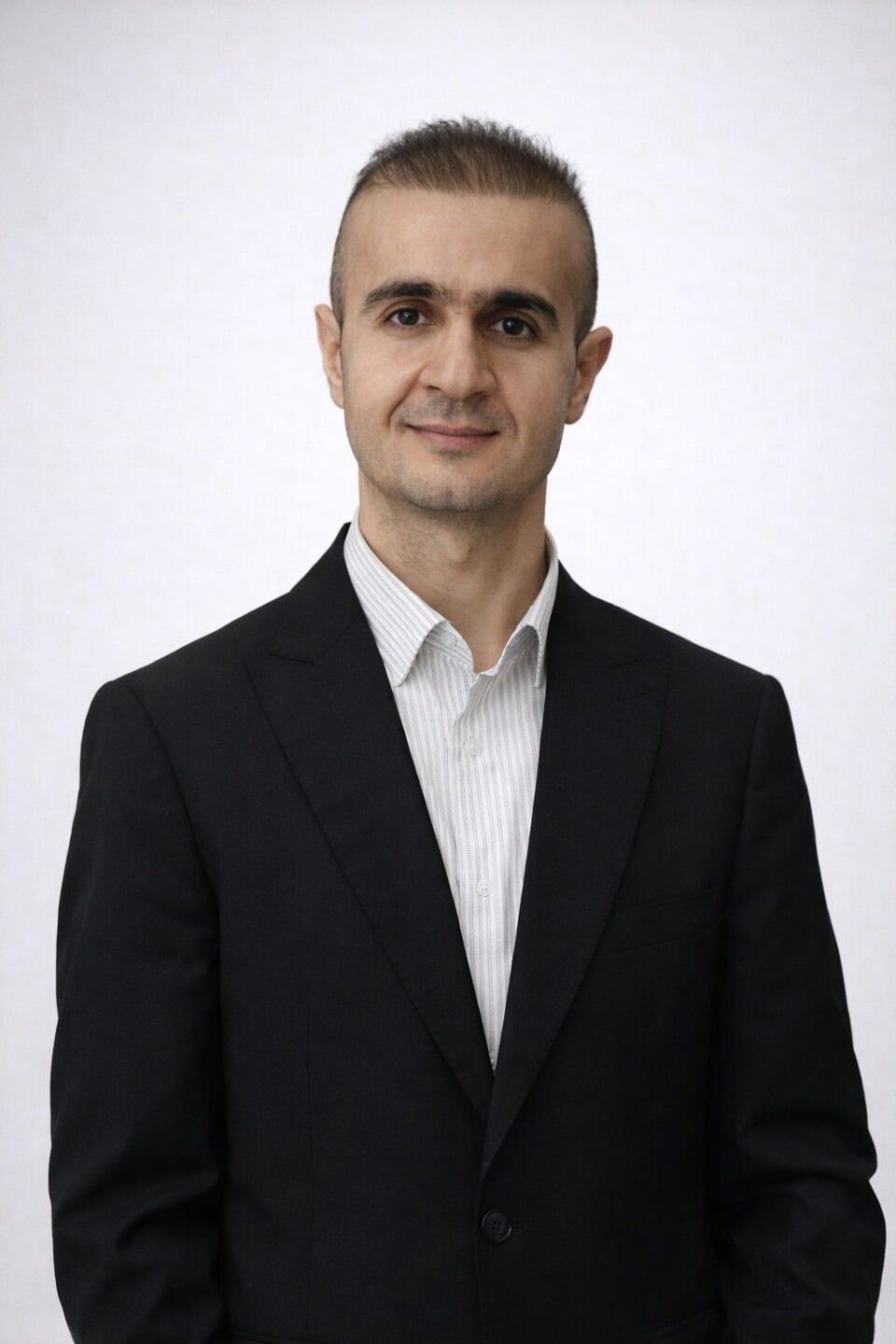
By Payraw Anwar
The fifth edition of the Antalya Diplomacy Forum was held in Türkiye, organized by the Ministry of Foreign Affairs of the Republic of Türkiye under the theme “Mapping Tomorrow, Managing Uncertainties.” The forum aimed to address pressing global and regional challenges while exploring the forces shaping the future of international relations.
The event brought together a wide range of participants, including high-level officials, policymakers, diplomats, academics, representatives of non-governmental organizations, members of the business community, and media actors. This gathering took place at a particularly turbulent moment for the Middle East, a region currently grappling with escalating conflicts and instability. Most notably, tensions surrounding the confrontation between the United States, Israel, and Iran have intensified, resulting in significant human and political consequences.
The primary objective of the forum is to create a platform for dialogue—bringing together diverse actors to exchange perspectives, address shared challenges, and seek pathways toward stability and cooperation in an increasingly uncertain global environment.
Kurdistan Region and Para-diplomacy
Traditionally, the conduct of diplomacy has been regarded as an exclusive prerogative of sovereign states. However, in recent decades, the role of subnational entities in international relations has expanded considerably. This evolving practice is commonly referred to as para-diplomacy, whereby regional governments engage in external relations to advance their political, economic, and cultural interests.
The Kurdistan Region has actively embraced para-diplomacy as part of its broader political strategy. As in previous years, the Region participated prominently in the forum, with the President of the Kurdistan Region engaging alongside state leaders and senior officials. Through such participation, the Kurdistan Region continues to consolidate its presence on the international stage, fostering bilateral and multilateral relationships with both state and non-state actors.
Operating within a federal framework, the Kurdistan Region has developed a dynamic approach to international engagement, aiming to strengthen its political standing, promote economic cooperation, and enhance its global visibility. Para-diplomacy, in this context, serves as a strategic tool for advancing mutual interests and reinforcing the Region’s role as an emerging diplomatic actor.
Track I and Track II Diplomacy
Diplomacy, as a core sub-discipline of political science and international relations, is often categorized into multiple tracks—most notably Track I and Track II diplomacy. Track I diplomacy refers to formal interactions conducted exclusively between sovereign states through official diplomatic channels. It remains the cornerstone of traditional international relations.
In contrast, Track II diplomacy encompasses informal engagements involving non-state actors such as NGOs, academic institutions, and civil society organizations. Often described as “people-to-people diplomacy,” Track II operates outside formal governmental frameworks, providing alternative avenues for dialogue, conflict resolution, and mutual understanding.
For the Kurdistan Region, Track II diplomacy offers a significant opportunity to expand its international outreach. By engaging in academic exchanges, civil society initiatives, and informal diplomatic networks, the Region is able to articulate its perspectives and represent the aspirations of its people on a broader global platform.
During this year’s forum, the President of the Kurdistan Region held meetings with several key international figures, including the transitional leadership of Syria, the Prime Minister of Pakistan, and the President of Türkiye, among others. These engagements underscore the Region’s growing diplomatic relevance and highlight its ability to navigate complex international environments through both formal and informal channels.
The active participation of the Kurdistan Region in international forums such as the Antalya Diplomacy Forum demonstrates the increasing significance of para-diplomacy in contemporary global politics. Despite not being a sovereign state, the Region has successfully positioned itself as a proactive diplomatic actor, leveraging both Track I and Track II mechanisms to strengthen its international relationships. In an era marked by uncertainty and geopolitical transformation, the Kurdistan Region’s diplomatic engagement reflects a pragmatic and forward-looking strategy—one that seeks not only to enhance its own standing but also to contribute to dialogue, cooperation, and stability in the wider region.