
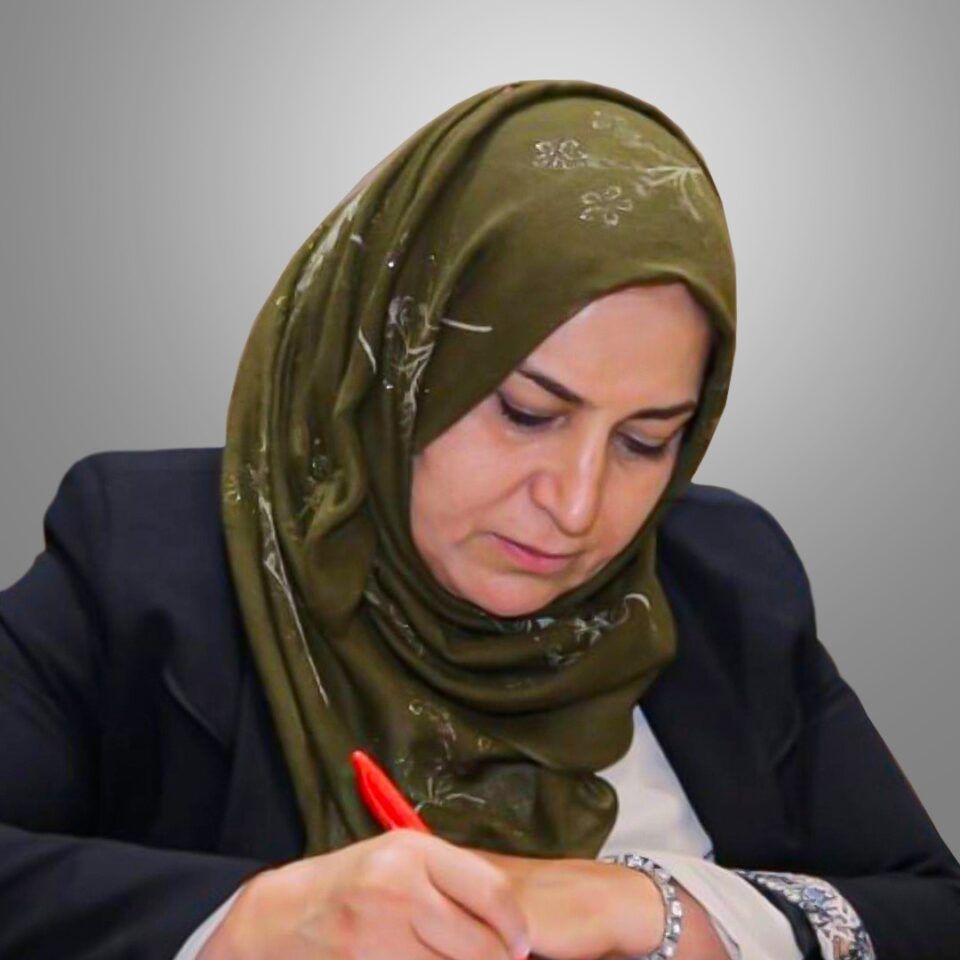
By | Dr. Nazaket Hussen
More than three decades after the Anfal campaign, its shadow still hangs over Kurdistan. Genocide is not a wound that fades with time, and no measure can truly compensate for its human cost. Yet the law is clear. Under Iraq’s constitution, victims of the former regime are entitled to recognition, restitution, and justice. What remains unclear is why that promise continues to go unfulfilled.
Across the Kurdistan Region and the disputed territories, thousands of families are still waiting. They wait for answers about the fate of their loved ones. They wait for remains that have yet to be returned. They wait for compensation that has been delayed for decades. While other parts of Iraq have seen progress in reparations, many victims of Anfal and chemical attacks remain overlooked, their suffering prolonged by bureaucracy and political neglect.
This is not merely a failure of administration. It is a failure of responsibility. The crimes of Anfal were carried out by the Iraqi state, and it is the federal government that bears the legal and moral obligation to address their consequences. The Kurdistan Regional Government has taken steps to support victims and recover remains, but it cannot and should not shoulder this burden alone.
The passage of time has not eased the hardship. Survivors continue to face poverty, illness, and the psychological toll of unresolved loss. For many, closure remains out of reach. The fall of the former regime more than two decades ago raised hopes for justice. Instead, too many victims have been left in a state of limbo, caught between recognition and neglect.
Compounding this injustice is the broader political climate. Since 2014, recurring financial disputes between Baghdad and Erbil have placed additional strain on the region and its people. These crises have not only deepened economic hardship but have also slowed meaningful progress on long overdue reparations.
The Iraqi parliament must confront this issue with urgency and integrity. Compensation for victims of genocide is not a political concession. It is a constitutional duty. Fulfilling that duty would reaffirm the principles of partnership, coexistence, and federalism that Iraq claims to uphold.
Failure to act sends a dangerous message. It suggests that justice can be deferred indefinitely, that constitutional commitments can be selectively applied, and that the suffering of entire communities can be sidelined. This undermines not only trust in institutions but also the very foundations of a shared future.
The victims of Anfal have waited long enough. Justice delayed is not only justice denied. It is a wound reopened, again and again, with each passing year of silence.