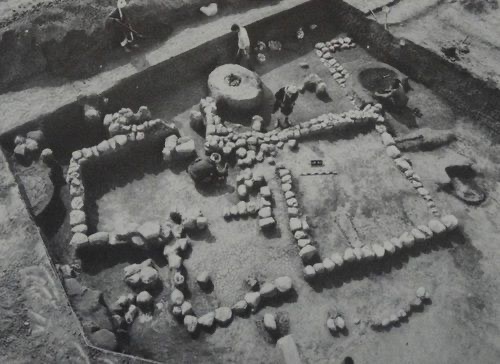
The village of Charmo is recognised as one of the oldest and most significant archaeological sites in Kurdistan and the world, with origins dating back to around 6,750 BCE. Considered a cradle of early agriculture and settled life, the site is located on a high ridge overlooking a tributary of the Tawuq River. It sits at an elevation of about 2,500 feet above sea level and covers an area of 11,000 to 16,000 square metres. Charmo lies on the right side of the Takia–Chamchamal road, approximately 13 kilometres from Chamchamal.
The site was first identified by Iraqi archaeologists, after which the University of Chicago conducted excavations over a two-year period. These excavations revealed 16 archaeological layers reaching a depth of 20 to 23 feet, confirming the site’s origin in the late Neolithic period.
The upper five layers show evidence of agricultural activity. According to archaeologist Robert Braidwood, the settlement was continuously inhabited for around 400 years before being abandoned.
Charmo represents a key centre of the Neolithic Revolution, reflecting early human advances in the domestication of plants and animals. Its inhabitants gathered and stored crops such as lentils and peas in stone vessels and also used wild plant resources including acorns and pistachios. In terms of animal husbandry, they domesticated goats, sheep, and pigs, while evidence regarding cattle remains uncertain. Hunting of wild deer and boar is also believed to have taken place, and tortoise eggs were part of the local diet.
Architecturally, the inhabitants of Charmo were early innovators. Their homes evolved from circular to rectangular structures, built with mud-plastered walls and roofs made of wood and reeds. The settlement is estimated to have housed around 25 families, totalling approximately 150 people. The discovery of tools such as mortars, needles, and bone and stone implements indicates early development in crafts, weaving, and textile production.
Archaeological findings also include clay figurines of animals and a “Mother Goddess” figure symbolising fertility and abundance, suggesting early spiritual and cultural beliefs. The dead were buried within houses and pits, reflecting burial practices of the time.
The Japanese Ambassador to Iraq, Matsumoto Futoshi, has described Charmo as a site of global importance marking the dawn of civilization, referring in particular to a 7,500-year-old stone mortar discovered at the site. Today, Charmo is regarded as important evidence of early human settlement in Kurdistan and is considered a significant location for both historical study and tourism.