
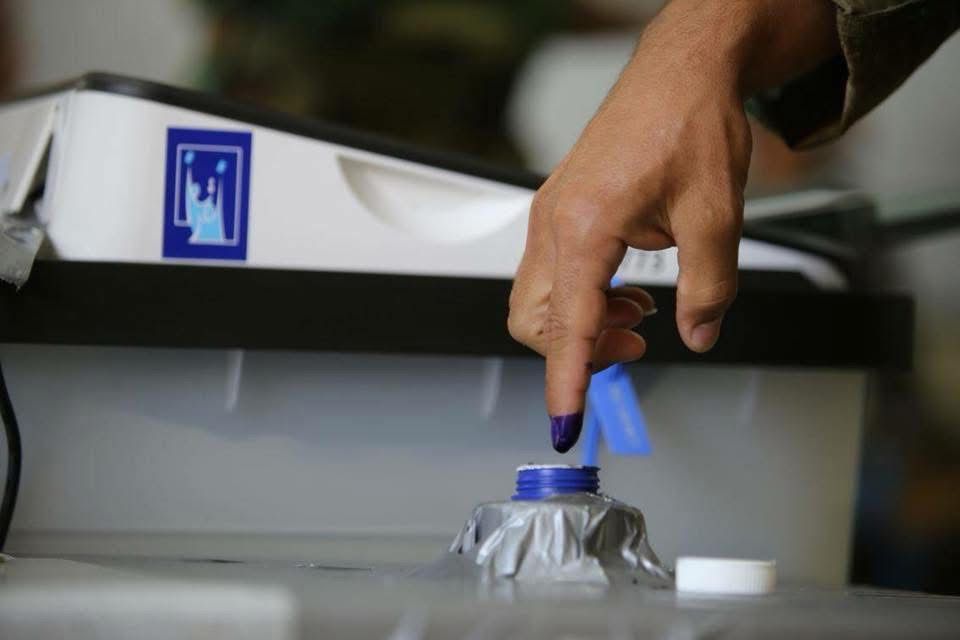
As Iraq prepares for its sixth parliamentary session scheduled for November 11, 2025, Kurdish political parties find themselves at a crossroads that could reshape their influence in Baghdad and their ability to protect regional interests. The upcoming elections arrive amid deteriorating relations between the Kurdistan Regional Government (KRG) and Iraq’s federal government, making Kurdish unity and strategic planning more crucial than ever.
The Iraqi Council of Ministers’ decision to proceed with elections under the existing Third Amendment to the House of Representatives Election Law has set the stage for a complex political battle. With 329 seats in the House of Representatives at stake, Kurdish parties must navigate a challenging electoral landscape that includes economic disputes, federal overreach, and shifting regional dynamics.
Electoral framework challenges Kurdish representation
The electoral system presents both opportunities and obstacles for Kurdish political participation. Under the amended Sainte-Laguë proportional representation method, votes for parties and individual candidates are divided separately by 1.7 for the first seat, with subsequent seats divided by individual numbers. This system tends to favor larger parties, potentially marginalizing smaller Kurdish factions.
Each province constitutes an electoral district, and voters can choose party lists while selecting their preferred candidates within those lists. The semi-open list method means candidates are rearranged according to vote counts, with top performers filling winning seats. For Kurdish parties, this system underscores the importance of coordinated campaigns and avoiding vote fragmentation.
Kurdish political observers are particularly concerned about participation in areas outside the Kurdistan Regional Government, especially in disputed territories covered by Article 140 of the constitution. These oil-rich regions, spanning 37,000 square kilometres, remain under federal control despite constitutional provisions for resolution through referendum.
Economic disputes cast shadow over campaign
The elections occur against a backdrop of intensifying economic conflicts between Baghdad and Erbil. The federal government’s recent suspension of public sector salaries in the Kurdistan Region has created widespread hardship, affecting hundreds of thousands of workers just before the Eid al-Adha holiday.
Kurdish officials characterize the salary suspension as “political rather than administrative or economic,” suggesting it represents a strategic move to weaken Kurdish political standing. The dispute centers on Baghdad’s claims about “phantom employees” and its demand for increased federal control over regional workforce management.
The ongoing disagreement over oil and gas revenues adds another layer of complexity. Baghdad insists that the national oil marketing company (SOMO) should handle Kurdistan’s oil sales, while Erbil maintains its constitutional right to manage resources discovered after 2005. This dispute has created legal uncertainty that discourages international investment and limits the region’s economic potential.
Strategic unity imperative for Kurdish success
Political analysts emphasize that Kurdish parties must present a united front to maximize their electoral impact. The reintroduction of the Sainte-Laguë system particularly favors larger parties, making coordination between dominant Kurdish factions like the KDP and PUK essential.
The fall of Syria’s Assad regime has introduced new regional uncertainties, underscoring the need for Kurdish parties to strengthen their partnership in Baghdad. A fragmented Kurdish approach could weaken their ability to counter external pressures and secure their voice in federal decision-making.
Low voter turnout remains a persistent concern, with the 2021 elections seeing only 44% participation and significant boycotts in Sunni-majority areas. Kurdish parties must mobilize their historically strong organizational base while engaging younger voters through digital campaigns and addressing economic grievances.
Success in the 2025 elections requires Kurdish parties to campaign on protecting Article 140, ensuring fair oil revenue sharing, and strengthening federalism. By avoiding fragmentation and building strategic alliances, particularly with emerging Sunni factions, Kurdish parties can transform these elections into a milestone for both Kurdish autonomy and Iraq’s federal stability.
By Jawad Qadir