
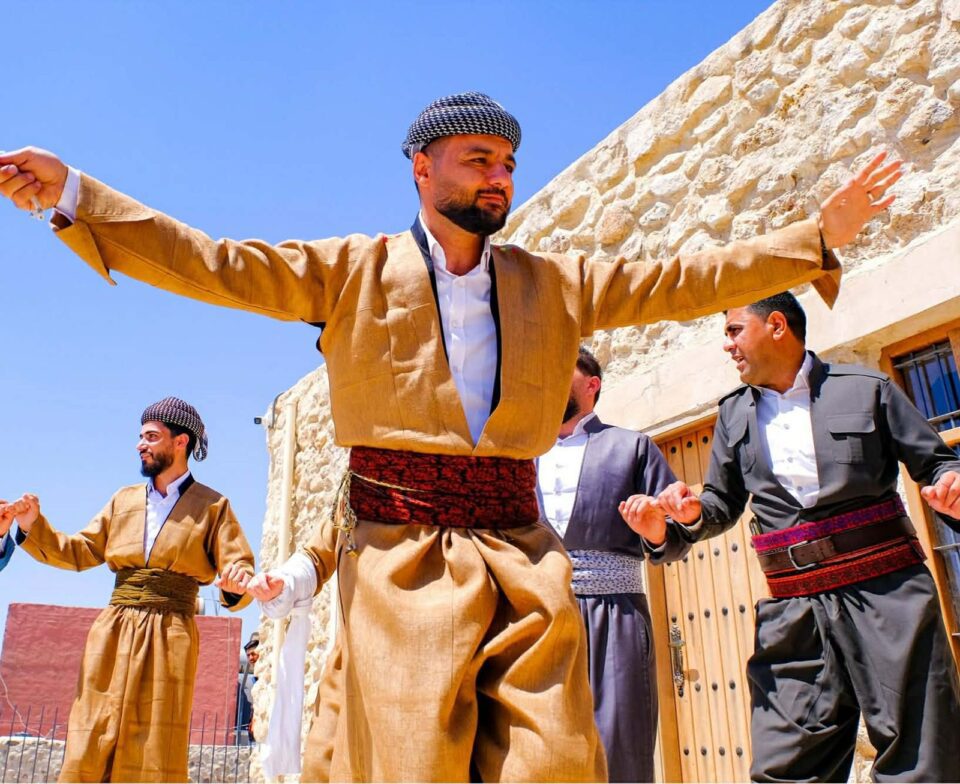
Traditional handmade garment continues to connect modern generations to Kurdish culture.
As Kurdish society continues to modernize, traditional clothing remains a powerful symbol of cultural identity and historical continuity. Among the most recognized elements of Kurdish dress is the handmade “shal,” a garment that has represented Kurdish heritage and dignity for centuries.
Across the Kurdistan Region and other Kurdish areas, the shal is more than traditional clothing. Historians and cultural experts describe it as a reflection of Kurdish history, environment, and social life. For generations, Kurdish men have worn the shal during national celebrations, official ceremonies, and important social occasions.
Researchers say the origins of shal weaving date back thousands of years. The use of goat hair and sheep wool in its production reflects the close relationship between Kurdish communities and the mountainous landscapes where they lived. Historically, the garment was also associated with social status, as tribal leaders, religious figures, and influential personalities often wore finely crafted shals.
One of the defining characteristics of the authentic Kurdish shal is its entirely handmade production process. Traditional shals are produced from the hair of the rare Maraz goat, found mainly in areas such as Hawraman. The fibers are cleaned, spun into delicate thread by hand, and woven on traditional wooden looms by skilled craftsmen.
The garment is made from several narrow woven sections that are carefully stitched together to create a single piece. In addition to its cultural importance, the shal is valued for its durability and natural qualities, providing warmth during winter and remaining cool in summer temperatures.
Cultural historians describe Hawraman as one of the main centers preserving the tradition of shal production. The region has long been known for maintaining the craftsmanship and authenticity associated with Kurdish textile heritage.
Despite the spread of modern textile manufacturing, many Kurdish artisans continue to produce shals using traditional methods passed down through generations. Cultural advocates say preserving the craft is essential to protecting Kurdish heritage and identity.
The continued use of the shal by younger generations at festivals and national events is widely seen as a sign that Kurdish society is embracing modern life while remaining deeply connected to its historical and cultural roots.