
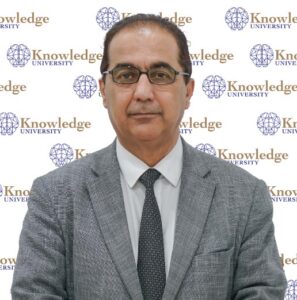
Azad Salih Nadir, a university professor and expert in administration, praises the Kurdistan Regional Government’s remarkable achievements in administrative reform, especially its move toward digitizing government services. He highlights projects like the “My Account” initiative as pivotal in improving efficiency, reducing bureaucracy, and strengthening the relationship between the government and its citizens.
When asked about the role of administrative progress in governance, Salih explains that it is a scientific and planned approach to addressing challenges by enhancing transparency, efficiency, and communication. He points out that these reforms increase government competence, foster strategic planning, reduce bureaucratic obstacles, and improve legal and organizational transparency. While some weaknesses remain in certain administrative posts, the overall progress made by the Kurdistan Region is significant, especially in developing electronic government systems. Salih remarks, “The Kurdistan Region’s work in digitizing administrative units and reducing routine government procedures is remarkable, and the positive effects are already visible.”
Digitizing administrative services has brought important transformations. It has increased efficiency by simplifying bureaucracy and enabled government services to be delivered more quickly and actively. At the same time, the use of digital technology has strengthened data protection and enhanced transparency. Key achievements include the establishment of digital systems for managing salaries and government services, connecting commercial and service institutions electronically, creating digital portals that allow citizens to access services easily, and reforming laws to support this digital transition. Salih expresses optimism about the future, stating, “Digitizing administrative services in the Kurdistan Region can continue to progress step-by-step, further improving efficiency and reducing government problems.”
However, the Kurdistan Region’s administrative progress has faced political pressures, particularly from the federal government in Baghdad and external political parties aligned with neighboring countries. These pressures have sometimes limited the Region’s authority over economic matters, political independence, and government continuity. Salih believes that some of these pressures stem from Baghdad’s jealousy of Kurdistan’s administrative achievements, as Iraq struggles with corruption and lack of transparency. Nevertheless, these challenges have also fueled the Region’s determination to strengthen governance and advance digital government projects.
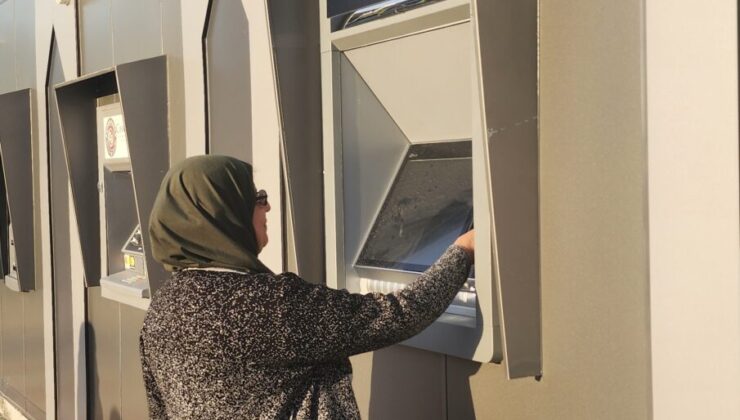
One of the most important digital initiatives is the “My Account” project, which modernizes the payment and salary system in the Kurdistan Region by promoting the use of bank cards and digital services. This project plays a crucial role in making the Region’s economy more efficient and transparent by reducing bureaucracy and facilitating faster payments. Citizens can easily receive their salaries and monitor economic developments with greater clarity. The project also deepens the relationship between government and citizens by providing continuous digital services. Salih notes, “The ‘My Account’ project is a significant step toward strengthening the Region’s economy efficiently and transparently.”
Despite these successes, challenges remain. Administrative problems common to many countries persist in Kurdistan, such as bureaucratic delays, deficiencies in long-term strategic planning, lack of transparency, and insufficient experience with new technologies. Furthermore, weaknesses in some administrative positions—due to inexperience or lack of accountability—have affected public service delivery and occasionally led to corruption. Salih stresses the importance of addressing these issues to sustain and build upon the Region’s progress.
In summary, while Kurdistan’s journey toward administrative modernization is ongoing, the Regional Government’s efforts to digitize services and reduce bureaucracy have set a solid foundation for stronger governance and economic development. With continued dedication, the Region is poised to overcome remaining obstacles and provide its citizens with more transparent, efficient, and accessible government services.