
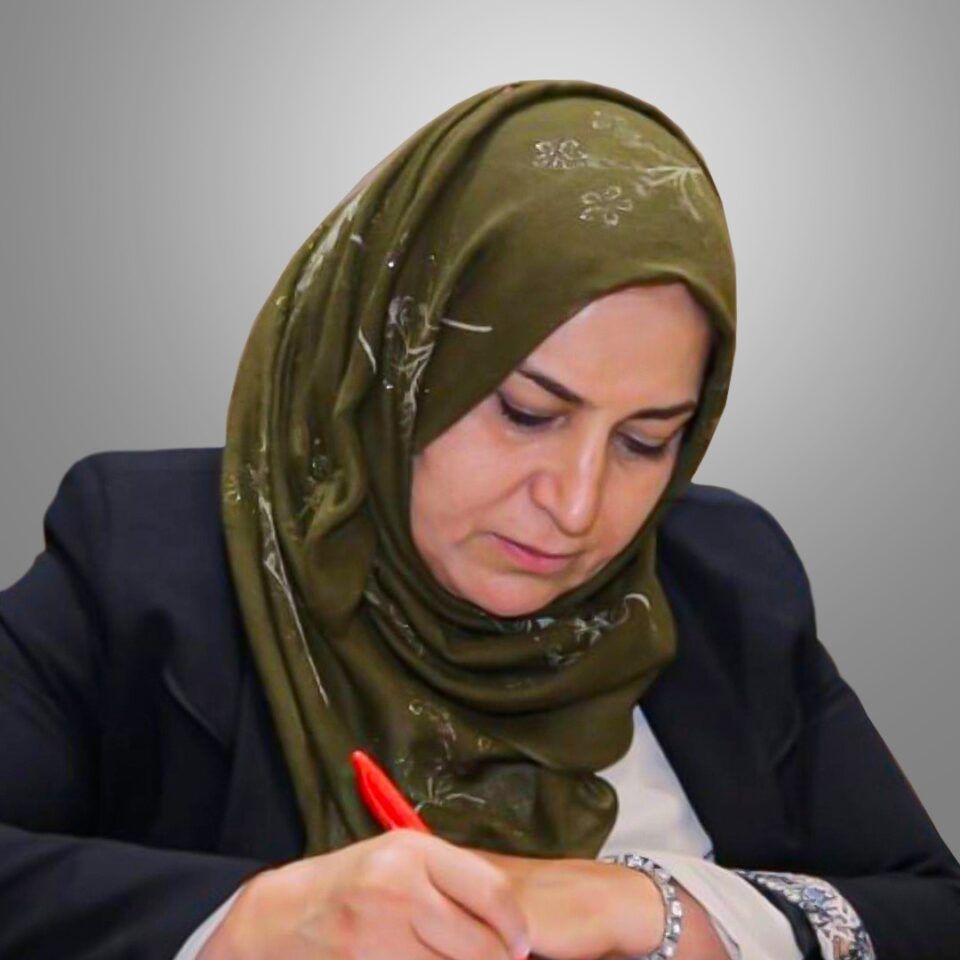
By | Dr. Nazaket Hussen
The current situation in Iraq and the wider region cannot yet be considered a post-war phase. Although periods of calm exist, the possibility of renewed conflict still remains, and the stability of the ceasefire is not guaranteed. In such uncertain conditions, the need for lasting peace and stability is more urgent than ever.
Iraq is facing serious economic, political, social, and environmental challenges. Addressing these issues requires national reconciliation and a genuine commitment to stability across all sectors of society. Only through unity and cooperation can the country begin to rebuild and move forward.
As a country rich in oil, energy, and natural resources, Iraq has strong potential for development and investment. However, these resources can only be properly utilized in an environment of peace, security, and political cooperation. Without stability and trust between political forces, economic progress will remain limited.
Unfortunately, since the fall of the former regime, successive governments have struggled to create a stable and secure environment for citizens. Political disagreements and lack of consensus have continued to weaken state institutions and slow down progress.
Today, there are concerns that Iraq’s political system is moving away from the spirit of the constitution, which is based on consensus and partnership. The process of forming government institutions is increasingly influenced by majority and minority politics rather than national agreement. This contradicts the foundations on which the post-2003 political system was built.
Iraq is a diverse country, made up of many national, religious, sectarian, and ethnic groups. Such a country can only be governed successfully through partnership and consensus, not exclusion or dominance. All components of Iraqi society have made sacrifices in the struggle against dictatorship, and it is important that the country does not return to any form of authoritarian rule.
The international community, which has played a role in supporting Iraq’s political process, should continue to monitor developments closely and ensure that the country does not drift back into instability or autocracy.
The Kurdish people, as a key component of Iraq, have consistently supported peaceful coexistence and democratic partnership. Having suffered greatly under previous regimes, they continue to advocate for a political process based on consensus, compromise, and cooperation.
In this context, the role of President Masoud Barzani and the Kurdistan Democratic Party (KDP) remains focused on protecting the rights of all Iraqi communities and maintaining national stability. They have repeatedly warned that abandoning the principles of partnership could place Iraq on a dangerous path.
Ultimately, Iraq’s future depends on dialogue, unity, and genuine power-sharing. Without these principles, stability will remain fragile, and the country’s progress will be at risk.