
National troupes showcase Kurdish, Syriac, and Western Kurdistan heritage in special ceremony.
The Kurdistan Region, known for its distinctive terrain and geography, is home to a wide range of natural landmarks. Among them, its caves stand out as important evidence of ancient human presence and activity.
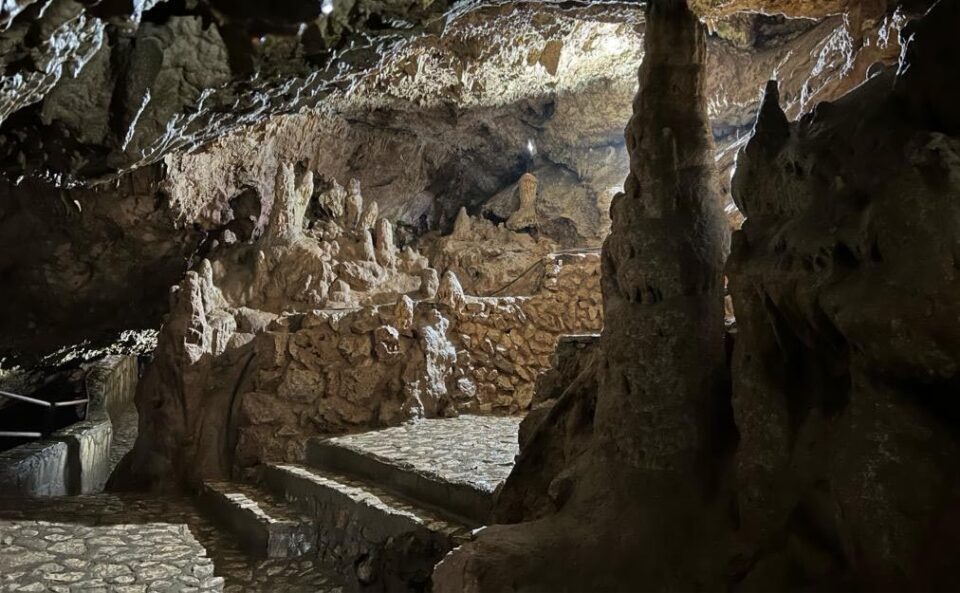
One of the most notable sites is the cave of Qura Qala, also known as Qawra Qala. Far from being an ordinary cave, it is considered one of the most remarkable natural phenomena in the world and is recognized as the largest water cave in Asia.
Located at the foot of Mount Shaho in the Kermanshah Governorate of Eastern Kurdistan, the cave lies approximately 25 kilometers from the city of Paveh and about 90 kilometers from Kermanshah. The site is set within a rugged mountainous landscape and faces a dense forest, adding to its dramatic natural setting.
The cave maintains a stable internal temperature throughout the year, ranging between 7 and 11 degrees Celsius. In certain areas, water depth reaches up to 14 meters. Inside, the cave is divided into several chambers, known locally as “talars,” each distinguished by unique formations.
Among the most prominent sections is Maryam Hall, the largest chamber, where rock formations resemble the figure of the Virgin Mary. Another highlight is the Crystal Hall, admired for its clear, shimmering stalactites that can produce musical tones when touched. The Barzakh Hall, in contrast, is deep and dark, with the echoing sound of water creating a striking and immersive atmosphere.
Archaeological discoveries made during the 1970s and 1980s revealed the cave’s historical significance. Researchers uncovered Sassanid-era pottery, ancient tools suggesting human use for shelter or religious purposes, and remains of rare animals dating back to the third geological era.
Today, Qura Qala Cave attracts thousands of visitors from around the world each year. Surrounded by gardens and natural springs, it has become one of Kurdistan’s most important tourist destinations.
Experts note that many of the cave’s stalactites grow at an extremely slow rate—approximately one centimeter every 100 years—highlighting the importance of preserving this unique natural and cultural heritage for future generations.