
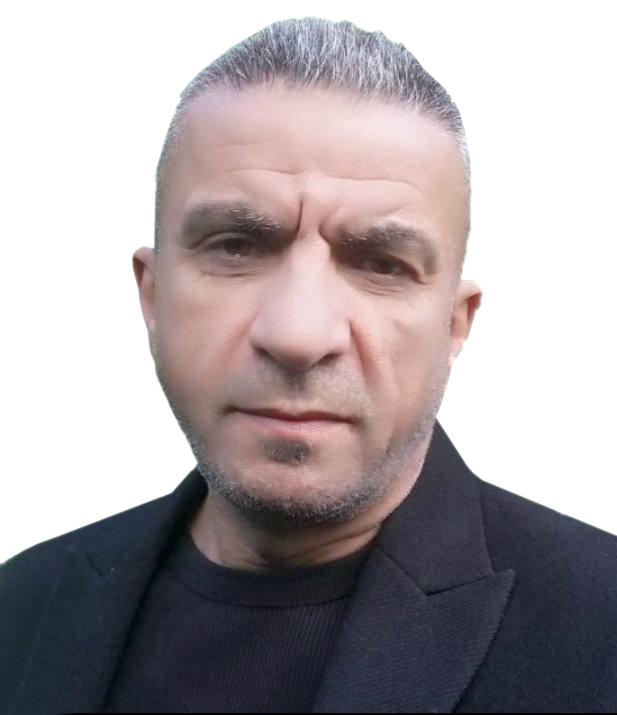
By Saadula Aqrawi
I believe that since 2003, Iraq has faced enormous challenges in building a stable political system capable of protecting its sovereignty, guaranteeing citizens’ rights, and preventing violence and division. Among the most important forces that have contributed to preserving Iraq’s unity and democratic process are the Kurds, who have consistently advocated for constitutional governance, federalism, political pluralism, and peaceful coexistence among all components of Iraqi society.
Today, as Iraq continues to confront political instability, corruption, armed factions operating outside state authority, and regional tensions, the Kurdish role remains essential in shaping a strong democratic state founded on law, institutions, and national partnership. A strong state is not measured solely by military power, it is measured by the strength of its institutions, the rule of law, public trust, and equal citizenship. The Kurds have played a significant role in supporting these principles at the national level. Therefore, strengthening the Iraqi army, police, and constitutional security institutions must become a national priority supported by all Iraqi components, including the Kurds. The Kurds have played a central role in supporting democracy, federalism, and constitutional governance in Iraq. Their political experience and commitment to dialogue have often contributed to preserving national stability during times of crisis. As Iraq seeks to build a stronger and more sovereign state, the Kurdish role remains vital.
A democratic Iraq cannot flourish while weapons remain outside state authority and militias continue to operate independently of national institutions. The path toward stability requires strengthening the rule of law, protecting constitutional institutions, promoting equal citizenship, and ensuring that military power belongs solely to the state. I believe that Iraq can move toward a future based on peace, democracy, sovereignty, and national partnership rather than division and armed conflict. Building a strong democratic system in Iraq is a long and complex process, but it is achievable. Democracy requires more than political slogans, it demands honest leadership, strong institutions, active citizens, and equal opportunities for all.
Yes, Iraq’s future depends on unity, accountability, justice, and participation. By combating corruption, strengthening institutions, empowering youth and women, and promoting national identity, Iraq can create a democratic system that serves all its people. Strong institutions are the foundation of democracy. In Iraq, institutions such as parliament, the judiciary, electoral commissions, and anti corruption agencies must operate independently and transparently. A democratic parliament should represent the interests of the people rather than political parties or sectarian groups. Laws must be passed based on national interests and public needs. Similarly, the judiciary must remain independent from political influence to ensure justice and equality under the law.
Of course, corruption remains one of the greatest obstacles to democracy in Iraq. Misuse of public funds, nepotism, and weak oversight damage public trust and slow national development. Fighting corruption is essential for building a credible democratic system. The government should strengthen anti corruption institutions, improve financial transparency, and enforce accountability for public officials. Digital governance systems can reduce opportunities for bribery and misuse of resources. Equally important is protecting journalists and activists who expose corruption.