
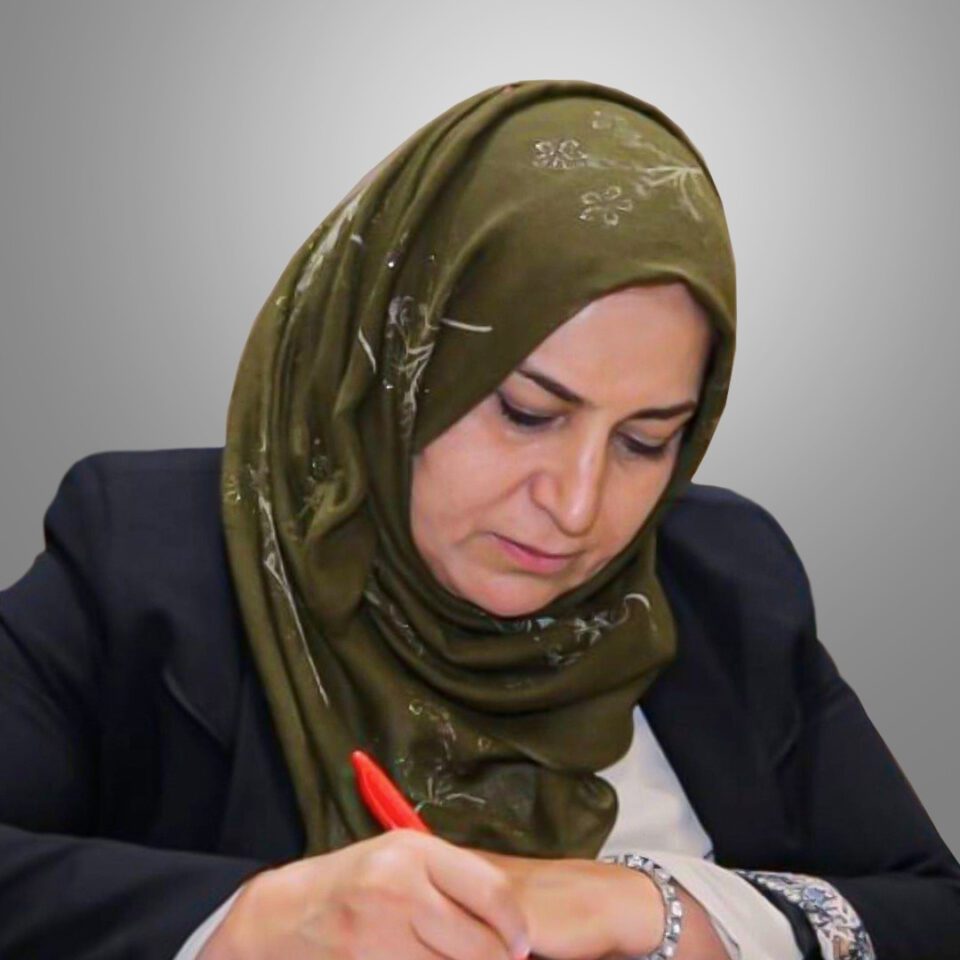
By | Dr. Nazaket Hussen
As discussions about reshaping the Middle East continue to surface, one thing remains unchanged: peace and long-term stability in the region are still elusive. For decades, global powers have tried and failed to establish lasting solutions, but a sustainable path forward may lie in a place too often overlooked—Kurdistan.
The energy map of the world is shifting. While the 20th century was dominated by oil, the 21st belongs to natural gas, and the superpowers know it. Much of this gas lies beneath some of the most unstable and contested regions in the Middle East. Amid this volatility, two major unresolved issues remain: the Kurdish and Palestinian questions.
The Kurds—particularly in the Kurdistan Region of Iraq—have demonstrated remarkable resilience. Despite the constraints and crises imposed by the central government in Baghdad, the region has built a relatively successful model of governance, economic development, and political stability. This is no small feat in a part of the world where such progress is rare.
The Kurdistan Region has become a haven of stability in a turbulent region. It has drawn investment, welcomed members of the Kurdish diaspora, and attracted tourists from neighboring countries and beyond. But without international support, particularly from the West, this fragile stability could unravel—especially as geopolitical tensions deepen and new power realignments emerge.
Recognizing and supporting Kurdish aspirations for greater autonomy—or even eventual statehood—is not just a moral imperative; it is a strategic one. Addressing the Kurdish issue head-on is essential to achieving lasting peace in the Middle East. Supporting the foundation already laid in the western and southern parts of historical Kurdistan would help secure a stable zone in a region that desperately needs one.
Now is the time to act. Acknowledging the legitimate rights of the Kurdish people is not a threat to regional stability—it is the cornerstone of it.