
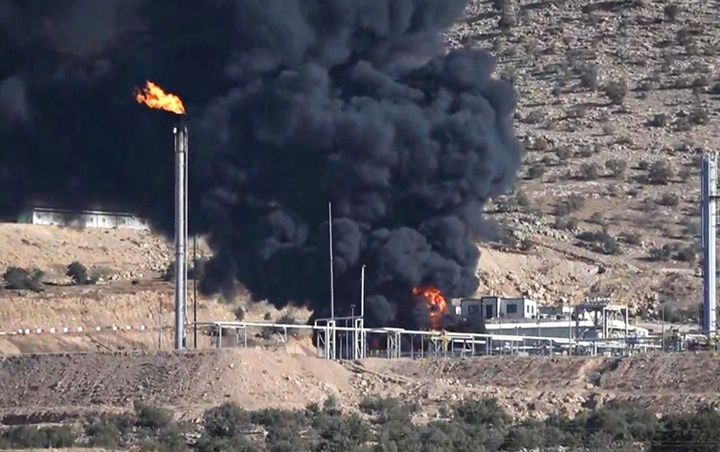
Outlawed groups are targeting Kurdistan’s energy sites, prompting strong U.S. condemnation and urging Baghdad to resolve oil and salary disputes.
This threat is alarming to international companies that have invested tens of billions of dollars in Iraq. An expert in the oil and energy sector noted that drone attacks on Kurdistan’s oil fields also impact Iraq’s financial revenues. If left unaddressed, they will directly harm Iraq’s economic stability and the operations of companies that need to enter Iraq. Continued attacks may cause these companies to suspend or relocate their operations.
For some time now, illegal groups and militias have been launching drone strikes on Kurdistan’s oil fields. As a result, several facilities have been damaged, and some international companies have suspended their operations. In the past few days alone, there has been a wave of ongoing drone strikes on cities in the Kurdistan Region, especially oil infrastructure. Although Iraqi PM Mohammed Shia al-Sudani has formed an investigative committee, no one has been arrested or held accountable so far for these drone attacks.
The Kurdistan Ministry of Natural Resources issued a statement saying: “The Ministry strongly condemns and denounces these attacks on the Kurdistan Region’s economic infrastructure. We have repeatedly called on the federal government and the international community to protect the lives of citizens near these sites and safeguard oil sector employees. We urge them to prevent such attacks on the Region’s energy sector.”
Dr. Rebin Samed, oil and energy expert, told The Kurdish Globe: “According to the latest reports by Iraq’s Ministry of Planning and the Ministry of Finance, 92% of Iraq’s revenues come from oil exports. Domestically, 65–70% of the budget depends on oil production. Oil is the backbone of Iraq’s economy. Therefore, these attacks on Kurdistan’s oil infrastructure are very dangerous, and this fear is shared by the international companies that have invested billions in Iraq. Beyond Kurdistan, the southern and western parts of Iraq are also heavily affected, as many of these companies operate there. This shows that political conflicts are now spilling over into national security threats. These drones severely impact companies coming to Iraq and Kurdistan for energy investments. I’m confident that if these attacks continue in the coming days or weeks, companies will begin withdrawing their investments from Iraq. Let no one think that only Kurdistan is affected—such attacks threaten Iraq’s entire economy.”
He added: “These attacks harm Iraq’s financial system and directly jeopardize the country’s economic foundation and the presence of foreign companies. Continued strikes will discourage companies from operating in Iraq, especially when Baghdad’s response to these militia groups remains uncertain. Whether Baghdad opposes these groups or tolerates them, they continue sending explosive drones to oil fields. This means that today they target Kurdistan, tomorrow they could strike fields in southern or eastern Iraq—like Basra, Maysan, or North and East of Baghdad. Therefore, companies are genuinely concerned that if Iraq doesn’t act quickly, the whole economy will suffer.”
Regarding this, Berhem Gardi, another oil and energy expert, told The Kurdish Globe: “What must happen immediately is for the Iraqi government to disarm all militia groups, remove them from disputed areas under Article 140, and keep them away from the oil sector. Iraq still has time to stop this internal conflict. It’s outrageous how these militias can so easily launch drones from within Iraq to strike oil fields. Their weapons must be taken away.”
He further emphasized: “The Iraqi government refuses to reintegrate Kurdistan’s oil into the global energy map. Instead, it uses armed militia groups under its control to target Kurdistan. Over the past two weeks, more than 12 drones have struck oil facilities—some belonging to major American companies with large investments in Kurdistan’s energy sector. These attacks aim to sabotage Kurdistan’s oil-based economy. The United States must not accept this. These strikes will lead to fuel shortages and electricity crises in parts of Kurdistan and Iraq, which contradicts U.S. public statements supporting Kurdistan’s energy development.”
Meanwhile, U.S. State Department spokesperson Tammy Bruce told journalists that Washington does not accept the drone attacks on Kurdistan Region’s oil infrastructure and had previously rejected similar attacks.
Bruce added: “We’ve made it clear that we expect Iraq to resolve its oil, salary, and other outstanding issues with Kurdistan in a fair manner.”
Separately, the U.S. Embassy in Iraq issued a statement strongly condemning the recent drone attacks on oil fields in the Kurdistan Region. The statement said: “The United States strongly condemns the recent drone attacks across Iraq, including the July 14 and 15 strikes on the vital Khurmala and Sarsang oil facilities in the Kurdistan Region of Iraq.”
The Kurdish Globe