
KRG report highlights humanitarian impact, demographic concerns, and unresolved claims in disputed territories
A new documentary report published by the Department of Media and Information of the Kurdistan Regional Government examines the continued failure to implement Article 140 of the Iraqi Constitution over the past two decades, outlining legal, humanitarian, and administrative challenges in Iraq’s disputed territories.
Covering the period from 2005 to 2025, the report documents alleged violations against Kurdish communities and reviews political and administrative developments that have affected the implementation of the constitutional provision intended to resolve the status of disputed areas.
Impact of the 2017 Events
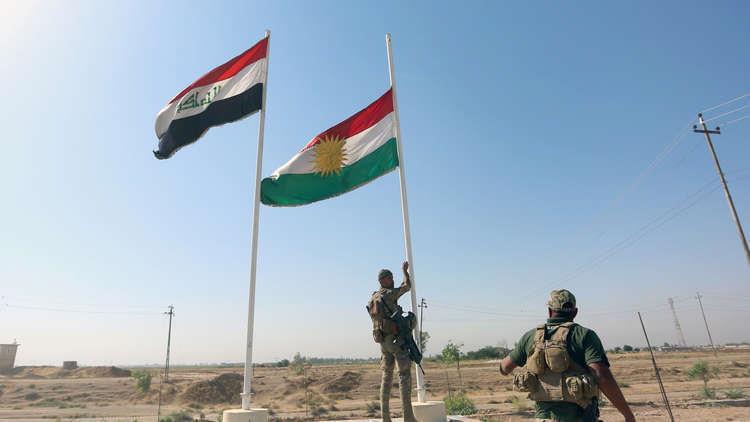
The report states that the events following 16 October 2017 Events in Kirkuk led to significant humanitarian and administrative consequences, particularly in the district of Tuz Khurmatu.
According to the findings, the developments resulted in 15 civilian deaths and 115 injuries. It also records widespread property damage, including the looting of 3,150 Kurdish homes and the burning or destruction of 530 houses and shops. In addition, 21 factories and schools were reportedly set on fire.
The report further notes that more than 53,000 residents were displaced from the district during the unrest.
Administrative and Agricultural Measures
The document also discusses what it describes as a new phase of demographic and administrative changes, referred to in the report as “administrative Arabisation.”
Among the measures highlighted are the reassignment of key administrative posts previously held by Kurdish officials. According to the report, ten senior administrative positions in Kirkuk and ten in Sinjar were transferred to representatives of other communities.
The report also raises concerns about agricultural land disputes. It states that some Ba’ath-era farming contracts have been reactivated and farmland in Kirkuk, Daquq, and Sargaran has been allocated to Arab settlers, affecting Kurdish farmers.
Additionally, the report mentions attempts to transfer food ration cards and civil status records of thousands of Arab families to Kirkuk.
Funding Shortfalls
The report provides a financial overview of compensation and reconstruction funds connected to the implementation of Article 140. It notes that in 2014, 2015, and from 2018 to 2021, the federal government in Baghdad allocated no funds for the article’s implementation.
Over the past 20 years, a total of 2.08 trillion Iraqi dinars has been spent on compensation and related measures. However, the report states that the amount remains insufficient given the scale of destruction and the approximately 118,000 unresolved claims still awaiting resolution.
International Involvement and Legal Status
The report also highlights the role of the United Nations Assistance Mission for Iraq (UNAMI), which produced several proposals and reports between 2007 and 2017 regarding disputed territories. According to the document, these recommendations have not yet been fully implemented.
It also references rulings by the Federal Supreme Court of Iraq, including Decision No. 113 of 2017 and Decision No. 71 of 2019, which rejected attempts to invalidate Article 140 and confirmed that the provision remains legally valid until its final stage — a referendum — is conducted.
The report concludes that Article 140 is not only a constitutional matter but also one closely tied to housing rights, historical justice, and questions of identity for communities living in the disputed territories.