
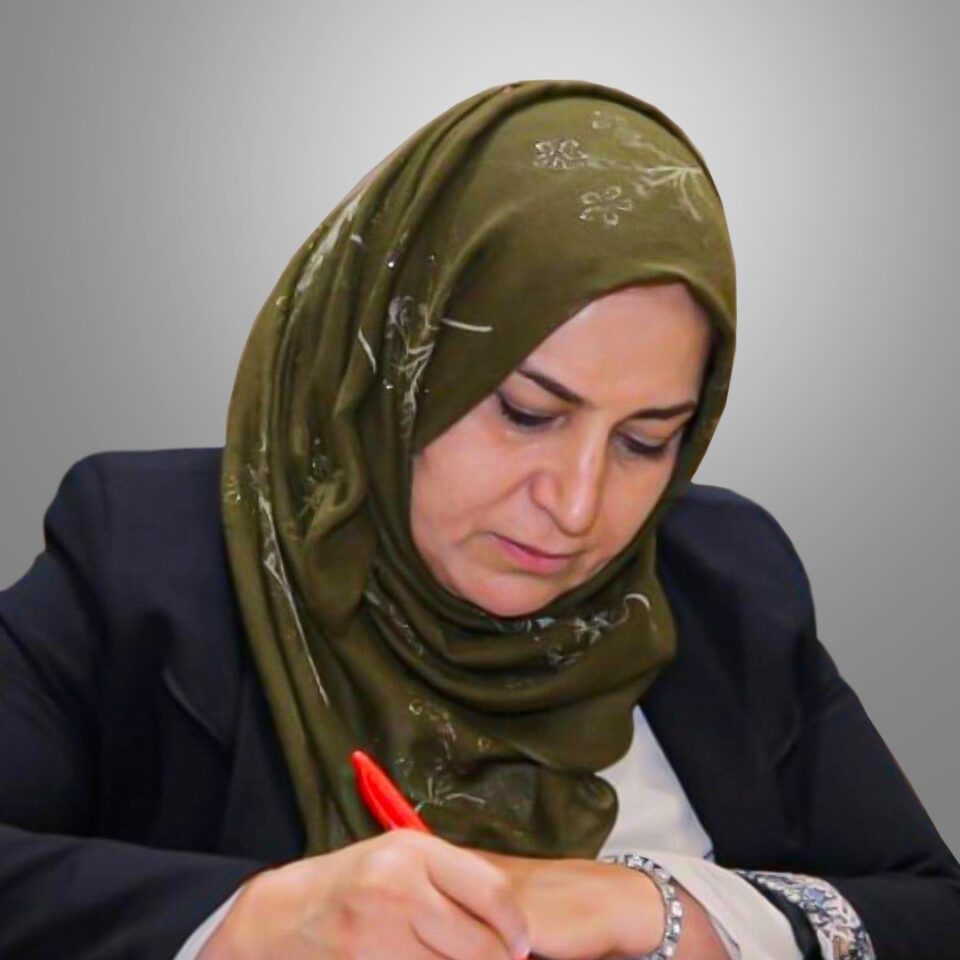
By | Dr. Nazaket Hussen
The spring of 1991 was not only a moment of joy and honor for Kurds across the world and in southern Kurdistan but also a continuous lesson in struggle and resilience. From the fight for Kurdish rights until today, every significant event, including the uprising, the referendum, and the revolution, has been part of the long path toward liberation.
We cannot say that the revolution was necessary while the uprising was merely inevitable or premature. Each step, the uprising, the referendum, and the revolution, was essential for the success of the Kurdish struggle, for self-determination, and for achieving the goals of a people whose statehood has long been denied.
One of the slogans of the 1991 Spring Uprising emphasized the Kurds’ ability to seize opportunities and resolve challenges. While some opportunities have been lost, sometimes due to our own mistakes and sometimes due to external factors like lack of support or unfavorable conditions, history continues to present new chances. Recent developments in the Middle East, including changes, conflicts, and wars in Rojava and Iran, have opened fresh opportunities for Kurds to claim their rights and advance their struggle to the next stage.
The Kurdish people today are not only capable fighters, but the outcomes of the 1991 uprising and the establishment of the Kurdistan Region and its government have created a platform for influence, resources, and respect. Kurds are expected to be skilled diplomats, play a role in regional matters, participate in negotiations, and be recognized as a significant and effective factor in shaping the region.
This role is particularly important because Kurds have always been known as a peace-loving nation. Throughout the history of the Kurdistan Region, Kurdish leadership has consistently sought to promote stability, security, and effective central coordination.
Even now, as the region experiences rapid and chaotic changes, Kurdish leadership, especially President Barzani, continues to play an essential role in maintaining stability, harmony, and steadiness, contributing positively to regional dynamics.
Countries involved in Middle Eastern conflicts must recognize that Kurds, in times of change, need protection. Statelessness, injustice, and deprivation must come to an end. Kurds should be full partners in any process that serves regional interests and prosperity. Their inclusion will reduce disputes, direct conflicts away from greater threats to human safety, protect the economy, and strengthen overall stability.