
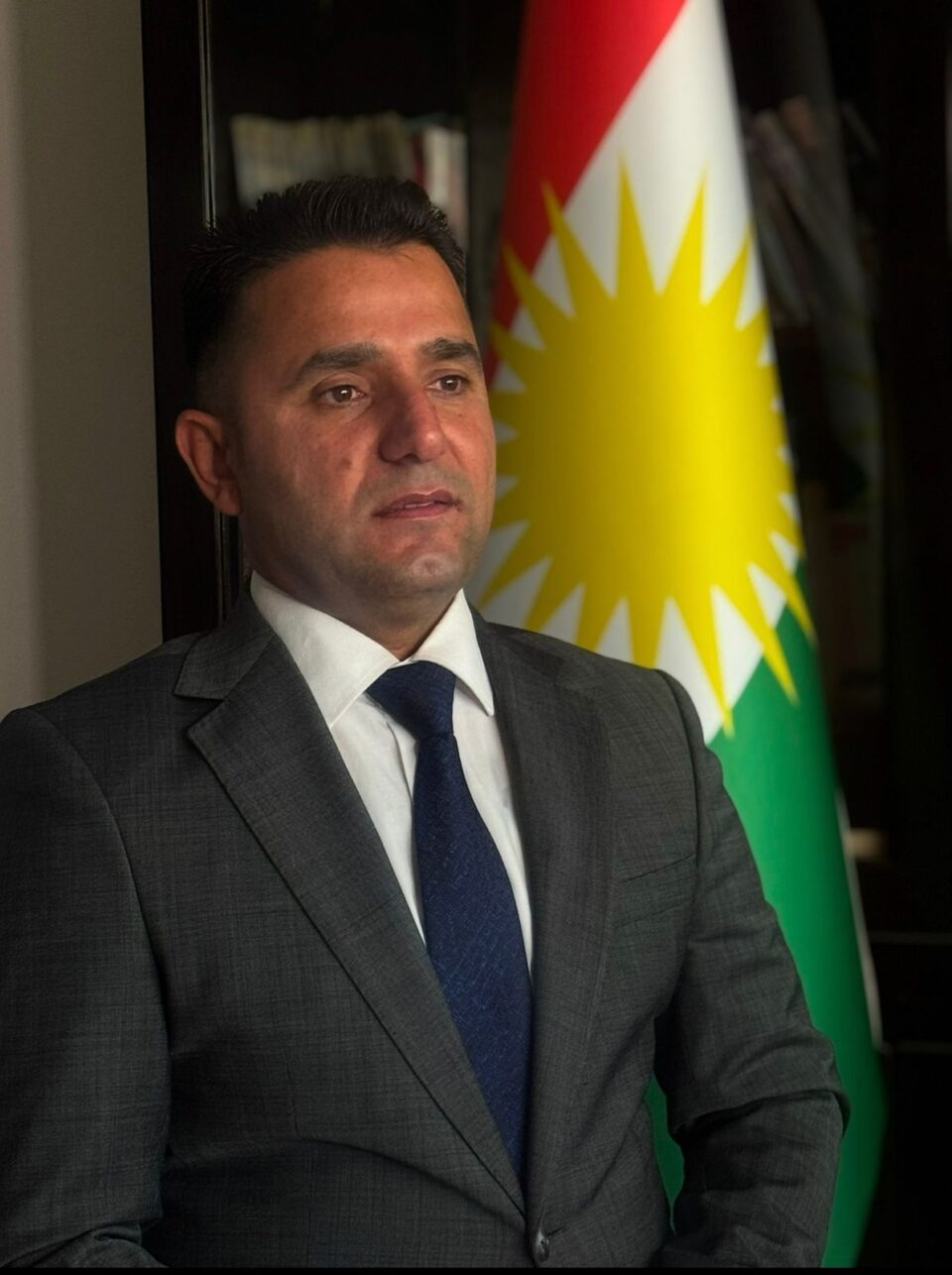
By Ibrahim Abdulmajid *
Throughout history, conflicts and wars have always exerted a direct impact on the tourism sector. When uncertainty overshadows a region, tourists become hesitant and postpone their plans; as a result, tourist destinations quickly lose their image of peace and safety in the eyes of visitors. Even areas that do not fall directly within the heart of the conflict often pay the price of the repercussions, as the “perception of safety” plays a decisive role in travel decisions.
The recent conflict between Iran, the United States, and Israel followed this same pattern, significantly disrupting and slowing down tourism activities across the region, and the Kurdistan Region was no exception.
The Shadow of War over the Region
On a Middle Eastern level, the war cast a dark shadow over the tourism sector. The disruption of flights, security concerns, and the psychological effects of uncertainty led to widespread cancellations. In many Gulf countries that rely primarily on international tourists, visitor numbers dropped to the point that tourism activities largely ground to a halt. According to data from the World Travel & Tourism Council (WTTC), the tourism industry in the Middle East suffered losses of more than $600 million daily during the peak of the conflict. In this context, the “perception and exaggeration of risk”—which is often greater than the actual risk itself—became the most damaging factor in the tourism decline.
The Kurdistan Region’s Unique Approach to the Crisis
The Kurdistan Region took a different path. Although it was not immune to the overall negative regional climate, its tourism sector demonstrated greater resilience. The primary reason for this is that the vast majority of tourists in the Region are domestic, coming from central and southern Iraq. This characteristic placed the Kurdistan Region in a stronger position compared to destinations that rely solely on foreign tourism. Even at the height of the tensions, tourists continued to visit the Region, albeit in smaller numbers. Fortunately, no tourism facilities were forced to close due to the war or the unfavorable conditions; this is a positive indicator showing that the recovery of the tourism sector to its normal state will be faster in the Kurdistan Region than in other countries.
Another factor in this resilience and the sector’s avoidance of collapse was the adoption of a skillful communication strategy. During times of war, the tourism sector requires a “wise silence.” In this regard, we endeavored to avoid promoting negative discourse in the media regarding the effects of war and refrained from creating anxiety and fear among tourists. This silence was not due to a lack of planning; rather, it was a precise and calculated decision to prevent the escalation of fear and concern. The tourism sector is highly sensitive; once a tourist forms an image of instability regarding a destination, it takes years to regain their trust. By avoiding alarming messages and maintaining its image of stability, the Kurdistan Region managed to preserve its position as a safe haven.
The Way Forward: Revitalizing the Tourism Sector
Now that the conflict has subsided, focus must shift from “resilience” to “revival.” We must leverage the Region’s strong position to accelerate the recovery process through clear and strategic steps. It is essential to organize tourism forums that bring together travel companies, tourism facility owners, and decision-makers. Furthermore, establishing crisis management and risk assessment units is a vital necessity.
These efforts should not only aim to evaluate lessons learned from the wartime situation but also to draft a unified and practical strategy for development. Additionally, robust marketing campaigns must be launched to further promote the Kurdistan Region as an attractive and safe destination. Through these initiatives, we can restore confidence in the sector, strengthen coordination between stakeholders, and encourage tourists to return to the Region.
Conclusion
Crises, despite their devastation, often reveal hidden strengths. In this experience, the Kurdistan Region’s reliance on domestic tourism and its inherent stability make the prospects for a quick return to normalcy clearer than in many other parts of the region.
Tourism is essentially about connection—the connection between people, places, and experiences. That connection was tested and slowed down during the war, but it never broke. With meticulous planning, stakeholder coordination, and a strategic vision, the Kurdistan Region is prepared not only to recover and return to normal but to emerge stronger and more vibrant than ever before.
* Spokesperson of the KRG’s Board of Tourism