
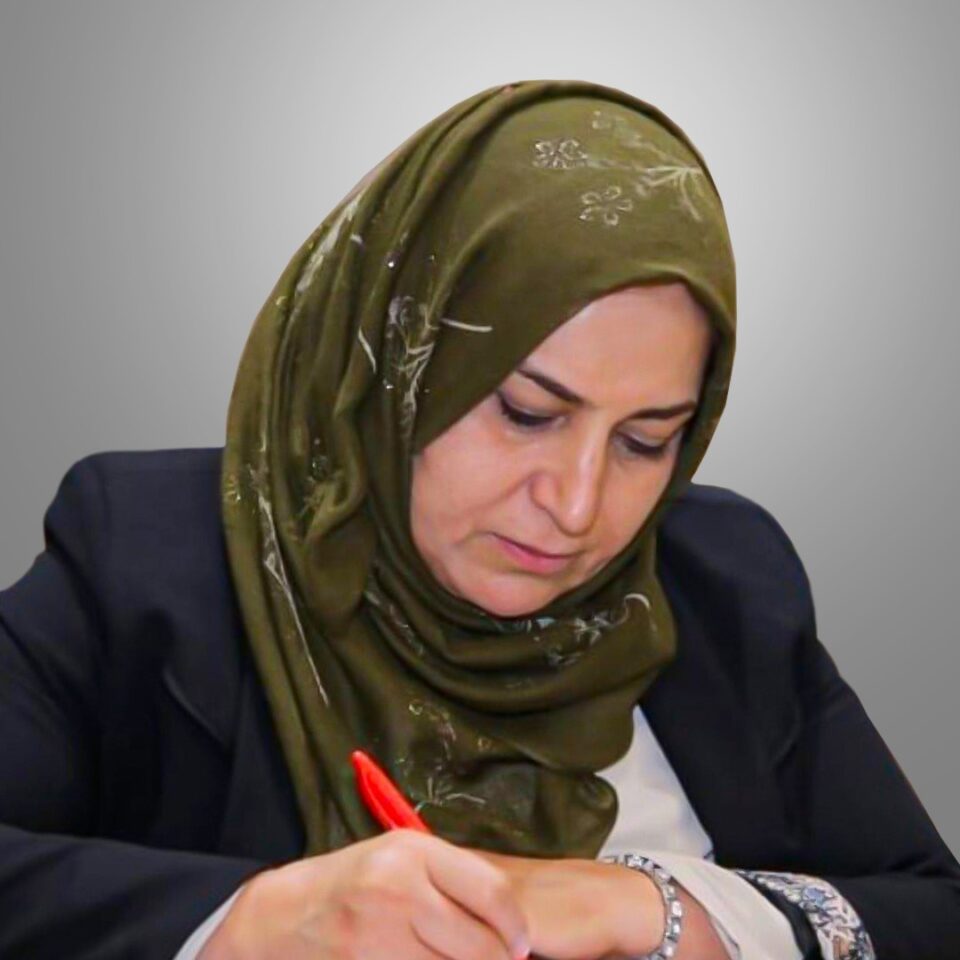
By | Dr. Nazaket Hussen
More than two years have passed since the Kurdistan Region’s parliamentary election. All participating parties accepted the election results, yet the newly elected parliament has still not resumed its legislative work. Since then, repeated political negotiations, technical meetings, and mediation efforts have failed to restore the institution to full operation.
Those resisting the parliament’s return have employed a range of political tactics to delay the process. While numerous initiatives have been presented under the banner of dialogue and compromise, none has produced the practical outcome the public expects: a functioning parliament capable of carrying out its constitutional responsibilities.
The Kurdistan Democratic Party (KDP), which secured the largest share of seats in the election, has consistently stated that it is prepared to reactivate parliament and proceed with forming the tenth cabinet in accordance with the election results. In parliamentary democracies, the party or coalition commanding the majority is entrusted with forming the government. Respecting that principle is fundamental to preserving the credibility of the electoral process.
The continued obstruction of parliament raises serious questions. If the election results were accepted by all participants, there is little justification for preventing the legislature from convening and allowing constitutional procedures to move forward. The prolonged deadlock increasingly appears to reflect political calculations that place partisan interests above institutional governance.
Supporters of this view argue that the paralysis serves agendas that extend beyond normal political competition. They contend that both internal and external actors who have failed to achieve their objectives through the ballot box now seek to weaken the Kurdistan Region’s institutions by preventing them from functioning effectively. Such efforts, they argue, undermine public confidence, damage democratic norms, and threaten political and economic stability.
Despite years of regional crises, economic challenges, and political disputes, the Kurdistan Region has maintained a reputation for relative stability and has continued to attract investment and international engagement. Weakening its elected institutions risks undermining those achievements at a time when effective governance is needed most.
The international community, diplomatic missions in the Kurdistan Region, and Iraq’s federal authorities should support the prompt reactivation of the Kurdistan Parliament in accordance with the election results and constitutional principles. A functioning parliament is essential not only for forming a new government but also for preserving stability, strengthening democratic institutions, and ensuring that the will of voters is respected. At a time of continuing regional uncertainty, political paralysis serves neither the Kurdistan Region nor Iraq as a whole.