
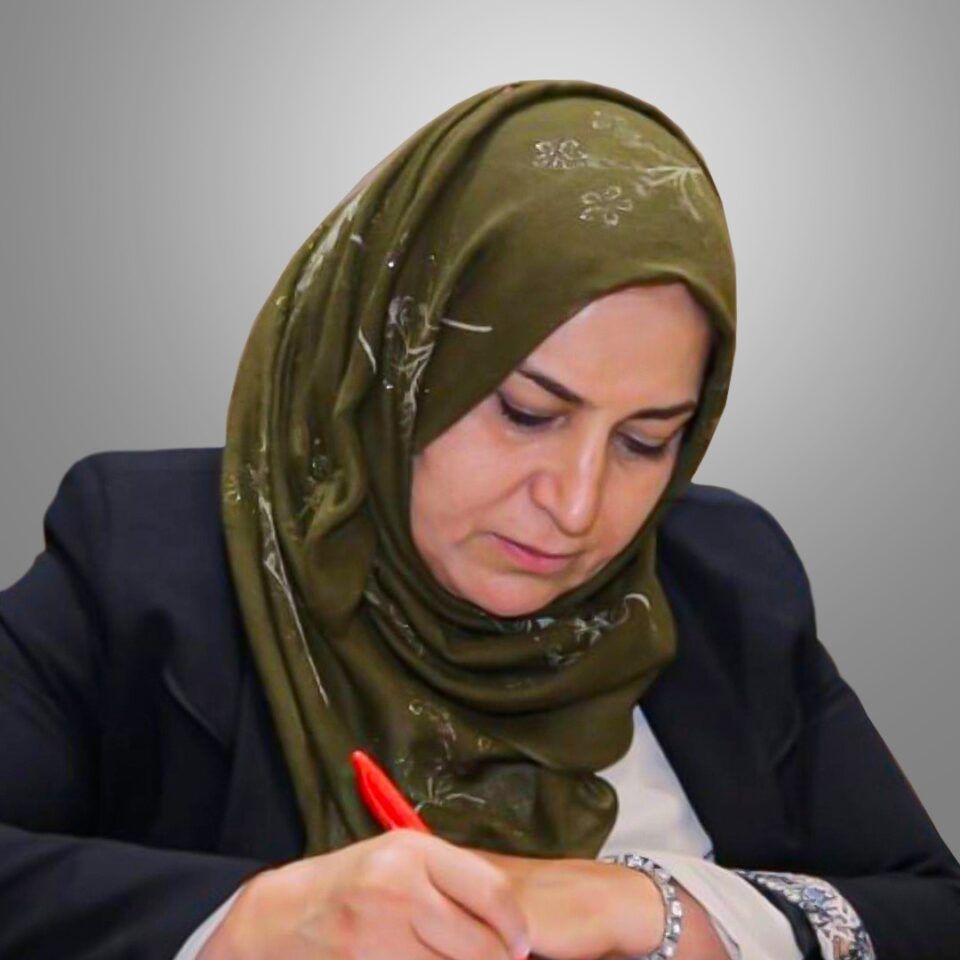
By | Dr. Nazaket Hussen
Iraq’s modern history has been shaped by repeated cycles of instability, authoritarian rule, and social fragmentation within a society defined by deep ethnic, religious, and cultural diversity. Such a country can only achieve lasting stability through institutions that are grounded in inclusion, justice, and equal citizenship for all.
For Iraq to move forward, governance, education, and media must be built on the principle of respecting diversity rather than suppressing it. Just as importantly, there must be a healthy relationship between citizens and the state—one where ideas, criticism, and participation are protected rather than punished. Without this balance, Iraq remains vulnerable to both internal conflict and external manipulation.
The absence of these foundations has, at various points in history, contributed to widespread suffering. Under authoritarian rule prior to 2003, state power was heavily centralized and frequently used as an instrument of repression. During that era, the Kurdish people in particular endured severe persecution, including campaigns of mass violence, forced displacement, and the destruction of villages.
The Anfal campaign, chemical attacks, mass executions, imprisonment, and the discovery of mass graves remain among the most painful reminders of that period. These events reflect the consequences of unchecked authority and the absence of legal and political safeguards for citizens.
Within such an environment, figures like Ajaj emerged—products of a system where violence, intimidation, and brutality were able to flourish. His actions against innocent people, including women and children, are part of a broader pattern that reflects what can happen when accountability collapses and human dignity is devalued.
Yet Iraq’s history is not only defined by oppression. It is also defined by resilience. Communities that suffered deeply have continued to insist on recognition, rights, and participation in shaping a more just future.
The central challenge now is to ensure that such figures and such systems cannot reappear in any form. This requires strong legal protections, accountable institutions, and a national commitment to preventing the return of authoritarian practices.
If Iraq fails to build these safeguards, it risks repeating the same cycles of destruction and violence. Its future depends on replacing fear with law, exclusion with inclusion, and repression with a shared commitment to dignity for all citizens.