
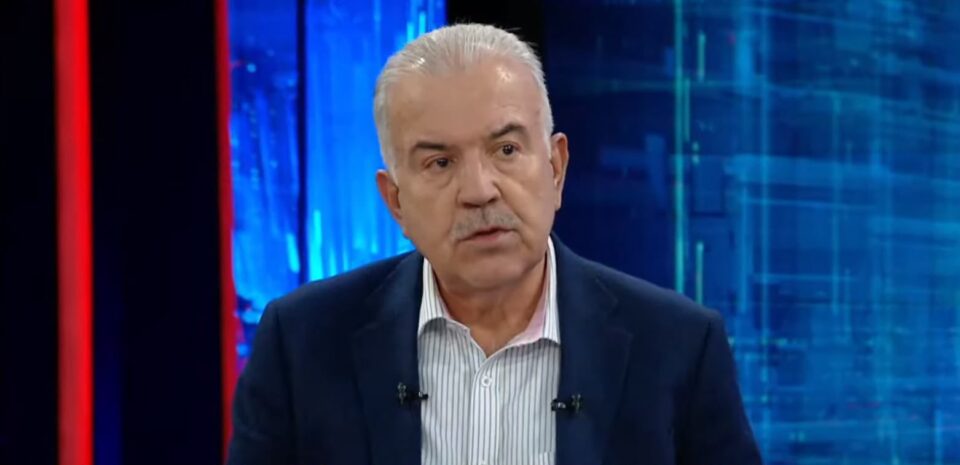
Hoshyar Siwaily, head of the KDP’s Foreign Relations Office, discusses the Kurdistan Region’s
diplomatic standing, regional security, and future international relations
As regional and global dynamics continue to change, the Kurdistan Region’s foreign relations remain an important factor in maintaining stability, strengthening diplomatic ties, and advancing its political and economic interests.
In an interview, Hoshyar Siwaily, head of the Foreign Relations Office of the Kurdistan Democratic Party (KDP), discussed the Region’s international standing, its role in regional security, relations with neighboring countries, and priorities for the future.
Siwaily said that under Iraq’s Constitution, the Kurdistan Region is a federal entity within Iraq and does not have sovereign status under international law. Nevertheless, over the past two decades, the Region has developed an extensive network of relations with foreign governments, diplomatic institutions, political actors, and economic centers.
He described the Kurdistan Region as a quasi-state actor whose international engagement extends beyond conventional regional diplomacy. According to Siwaily, the Region’s foreign relations are closely connected to the Kurdish people’s aspirations for political self-determination.
Regarding regional security, Siwaily said the Kurdistan Region’s geographic position, natural resources, and political stability give it strategic importance. He argued that stability in the Region directly affects Iraq and the wider region.
He pointed to the role of the Peshmerga in confronting ISIS, Al-Qaeda, and other extremist organizations as evidence of the Region’s contribution to regional and international security. He also stressed that the Kurdistan Region seeks to maintain constructive relations with neighboring countries and avoid becoming an arena for regional conflicts.
According to Siwaily, neighboring countries’ views of the Kurdistan Region have evolved over time. While some previously viewed the Region as a potential security threat, developments since the fall of the Ba’ath regime and the Region’s role in the fight against ISIS demonstrated its ability to maintain security and contribute to regional stability.
Looking ahead, Siwaily emphasized the importance of strengthening the Region’s political, economic, military, and diplomatic relationships. He noted that the Kurdistan Region currently hosts around 40 foreign diplomatic missions, including representatives of all five permanent members of the UN Security Council, while maintaining more than 14 representative offices abroad.
He also stressed that international relations must be supported by strong institutions at home. According to Siwaily, political unity, economic development, capable security institutions, cultural diversity, and democratic governance are essential to maintaining the Region’s international standing.
He further argued that reactivating Parliament and forming a new cabinet are important steps toward improving governance, strengthening relations between Erbil and Baghdad, preserving international partnerships, and reinforcing the Kurdistan Region’s position in the international community.
By Frsat Said Shkur