
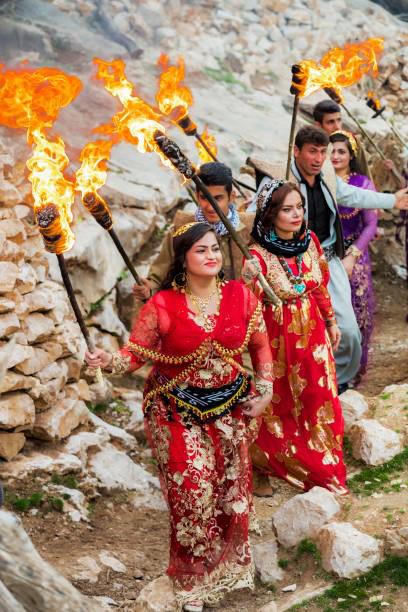
Erbil began 2026 with the kind of recognition that takes a decade to earn: Condé Nast Traveler named the Kurdistan Region’s capital one of Asia’s destinations to visit this year. It arrived just weeks after Visit Kurdistan was launched, a foundation built around a bold ambition — to welcome more than 20 million visitors a year and establish the Region as a global travel destination.
For anyone who has watched Kurdistan over the past ten years, the recognition is overdue.
A decade of extraordinary growth
The numbers tell the story. The Kurdistan Region welcomed over 8 million tourists in 2024, up from around 700,000 in 2015 — a nearly twelvefold increase in less than a decade. Visitors come for the cool mountain climate, the landscapes, and a cultural inventory few destinations in the region can match, and they keep coming back.
Investors have noticed. Tourism investment over the past five years has exceeded $7.5 billion. In 2024 alone, the Board of Investment licensed 17 new tourism projects worth more than $174 million, spanning hotels, resorts, entertainment venues and ecotourism developments — each one creating jobs, supporting small businesses and strengthening local services. Leitner to build ropeway systems, opening mountain terrain that visitors could once only admire from the road.
The momentum has continued into this year. Erbil welcomed 861,501 tourists in the first four months of 2026, drew 112,657 visitors over the Eid holiday alone, and filled its hotels to roughly 90 percent occupancy. Erbil governor Omed Khoshnaw reported more than 3.4 million tourists in the capital across 2025, alongside a year of road, water and infrastructure projects designed to serve them.
A destination for the whole world, in every season
Kurdistan’s appeal is broadening. The share of visitors arriving from outside Iraq has climbed from about 15 percent a few years ago to roughly 25 percent today, a shift the Board of Tourism credits to a dual strategy of improving infrastructure at home while marketing the Region abroad. In January, Kurdistan exhibited at the Madrid tourism fair alongside representatives from 155 other countries, at an event hosting some 10,000 tourism companies and drawing more than 250,000 visitors.
The calendar is broadening too. Winter travelers now make up about 15 percent of arrivals, and the Board has built out a full slate of ski and snow festivals across Soran, Sulaimani and Duhok, turning what was once a summer destination into a year-round one. Spring brings wildflowers to the highlands; autumn brings the pomegranate harvest and the clearest air of the year.
Service has kept pace with scale. For the Eid rush, provincial directorates across Erbil, Duhok, Soran and Halabja deployed monitoring teams, multilingual guides and digital complaint systems — the infrastructure of hospitality that visitors rarely see and always feel.
Six thousand years of welcome
What awaits them is unmatched. The Region holds more than 3,500 archaeological sites. At its heart stands the Erbil Citadel, continuously inhabited for 6,000 years and inscribed as a UNESCO World Heritage Site, rising above a city that has been trading, cooking and hosting strangers since before most capitals existed. To the north is Shanidar Cave, where Neanderthal remains transformed scientific understanding of early human burial and the care of the vulnerable — evidence that this landscape has been a place of shelter for longer than almost anywhere on earth.
Between them lie the gorges and waterfalls of Rawanduz, the scenic Hamilton Road, the Yazidi shrine at Lalish, and mountain villages where a guest is still fed before they are asked their name. Kurdistan is also one of the most ethnically and religiously diverse communities in the Middle East, a place where Kurds, Christians, Yazidis, Turkmen and Arabs live in close quarters and long habit.
The Board of Tourism’s strategic plan through 2030 focuses squarely on the next chapter: service quality, human resource development and sustainability, so that growth strengthens communities rather than strains them. The goal is not just more visitors, but better visits.
Twenty million is an ambitious number. Standing on the Citadel walls at dusk, watching a city that has kept its lights on for six millennia, it does not feel out of reach.
By Jawad Qadir