
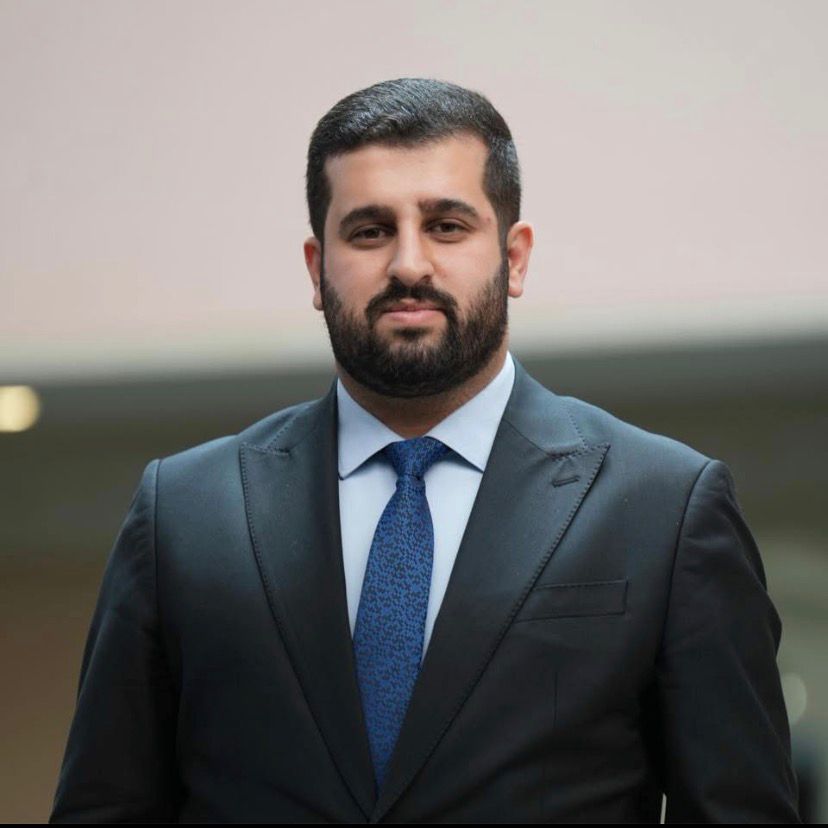
By Frsat Said Shkur
In contemporary history, the Middle East is characterized by an environment of security uncertainty and pervasive institutional collapse. In such an anarchic environment, numerous fully sovereign states have faced fragmentation and systemic collapse under the mounting pressures of regional conflicts and economic crises.
Despite this, the Kurdistan Region, operating as a sub-state entity, has managed to present a distinct model of resilience and survival on the brink of existential threats—a model predicated on soft diplomacy, the balancing of power, and astute maneuvering within the fissures of regional and international conflicts.
Two primary paradigms have effectively guaranteed the Region’s survival and bolstered its strength:
1. The First Paradigm: Energy Diplomacy and Geopolitical Balancing. According to the perspectives of Gareth Stansfield and Robin Mills, when Baghdad exerted economic pressure by cutting the budget, the Kurdistan Region utilized “energy diplomacy” as a geopolitical instrument. The establishment of an independent oil infrastructure was a strategic maneuver aimed at transforming hydrocarbons into a tool for “dynamic hedging,” thereby intertwining the entity’s survival with global energy security interests and the agendas of major powers.
2. The Second Paradigm: Institutional Resilience and Administrative Reform. Through Yaniv Voller’s lens on the resilience of sub-state actors, the capacity to survive in a hostile environment is not achieved solely through external alliances; rather, it is intrinsically linked to “internal legitimacy and institutional robustness.” From this viewpoint, administrative reform initiatives—such as the digitalization of public services and the establishment of a banking system by the Ninth Cabinet—are security imperatives. Building domestic autonomy prevents the formation of administrative fissures when the entity faces military threats and external offensives.
Conclusion
The Kurdistan Region has proven that it possesses a significant and effective capability for survival, successfully operationalizing sub-state diplomacy in the depths of crises. This experience has served as a successful experiment in establishing autonomy within a hostile environment that has overwhelmed other nations. While other regional states—despite possessing full sovereignty and decades of governance history—have failed to withstand regional complications, this stark contrast solidifies the Kurdistan Region’s critical position within the geopolitical equation.
However, it is time to realize that attempting to manage external factors without building a well-organized internal house will expose us to even greater challenges. The long-term survival of the Kurdistan Region is inextricably linked to the implementation of structural reforms and the forging of a unified domestic front; for no geopolitical fortress can be breached from the outside unless it harbors fractures within.