
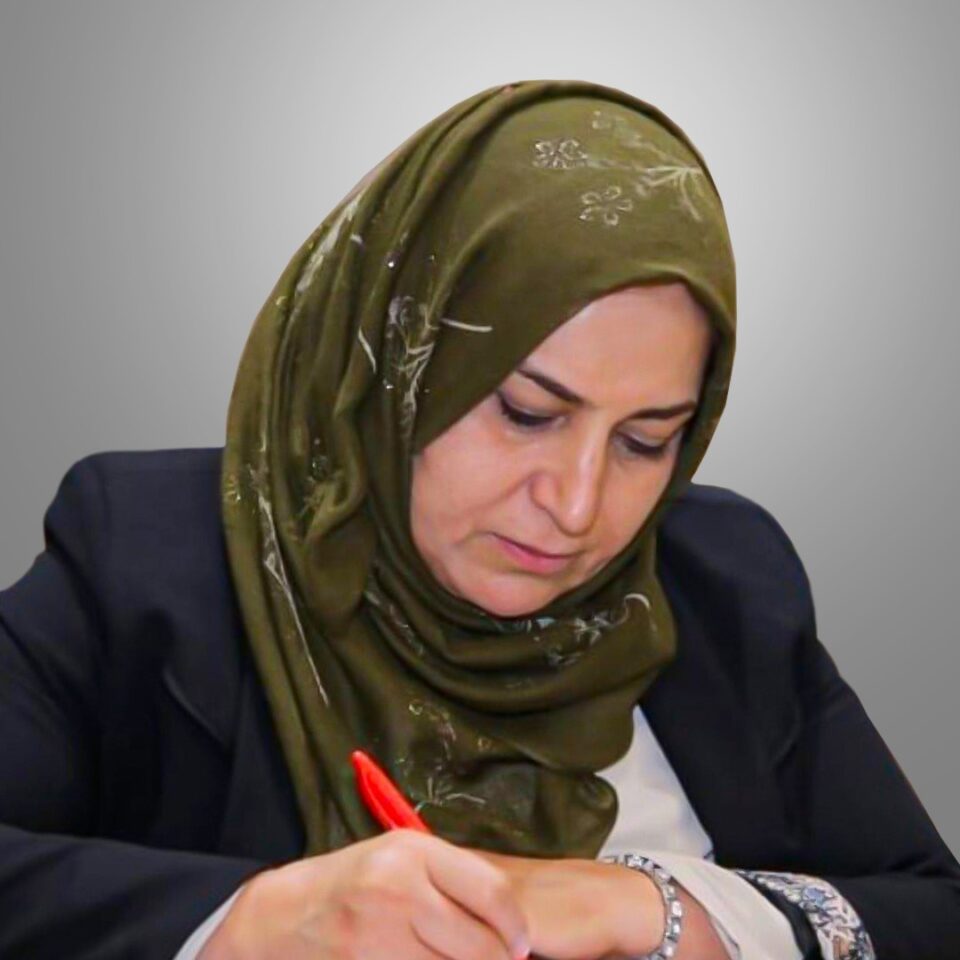
By | Dr. Nazaket Hussen
War brings suffering, destruction, and crisis. Yet it can also create an opportunity for political forces to reconsider old positions, seek common ground, and recognize the need for cooperation. The question is whether regional leaders will have the wisdom and courage to turn that opportunity into lasting stability.
For years, the Middle East has been caught in cycles of instability, particularly in Iraq, Syria, Lebanon, Yemen, and parts of the Gulf. Tensions have repeatedly escalated, including confrontations involving Iran, the United States, and Israel. Even countries that once remained largely outside these conflicts have increasingly been affected, directly or indirectly.
Now, as the region moves away from the most intense periods of confrontation, signs of a different political atmosphere are emerging. Recent conflicts have demonstrated that continued escalation comes at an enormous cost. They have also reinforced the need for dialogue, coordination, and peaceful coexistence.
Iraq stands at the center of this regional shift. There is growing recognition that the country must remain protected from becoming an arena for regional confrontation. Strengthening state institutions and preventing illegal armed groups from undermining state authority are essential to Iraq’s stability. A secure and independent Iraq would also contribute to peace throughout the region.
The same principle applies beyond Iraq. Regional states and international powers increasingly have reasons to coordinate rather than escalate. Syria, after years of devastating conflict, may also benefit from a political environment that prioritizes stability and reconstruction over confrontation.
This does not mean that the region’s deep political and strategic disagreements have disappeared. They remain significant. But there is a growing understanding that differences do not have to lead to war. Dialogue and coordination can provide a way to manage disagreements without returning to destruction.
The Kurdistan Region has long sought to position itself as a force for peace, coexistence, and regional cooperation. It now has an opportunity to strengthen that role. Through political engagement and international relations, the Region can continue contributing to efforts aimed at reducing tensions and encouraging understanding.
That spirit is also needed at home. The Kurdistan Democratic Party (KDP), the region’s largest political party, has emphasized political stability, coexistence, and cooperation while supporting efforts to reactivate the Kurdistan Parliament and form the 10th cabinet. Moving these institutions forward is essential for political stability, effective governance, and continued development.
The recent conflicts should therefore serve not only as a warning but also as a lesson. The Middle East has paid a heavy price for division and confrontation. The next chapter should be defined by dialogue, cooperation, and political courage.
The region does not need another cycle of destruction. It needs leaders willing to turn the painful lessons of war into a foundation for greater understanding and lasting peace.