
Revenue sharing remains key obstacle to Erbil-Baghdad customs deal
Three issues remain unresolved in negotiations between the Kurdistan Regional Government (KRG) and the Iraqi federal government over the implementation of the ASYCUDA system and the unification of customs procedures, with the distribution of border-crossing revenues emerging as the main obstacle.
Sami Jalal, legal advisor to the Kurdistan Region’s Ministry of Interior and head of the Region’s ASYCUDA negotiation team, provided new details about the two-year negotiations between Erbil and Baghdad on unifying customs procedures and managing border crossings.
According to Jalal, technical teams from both sides reached an agreement on a draft technical agreement on June 18, 2026. However, three major issues remain unresolved: border crossings that are not recognized by Baghdad, customs exemptions and the protection of local products, and, most importantly, the mechanism for distributing border-crossing revenues.
Jalal said the KRG maintains that it is legally entitled to 50 percent of border-crossing revenues. He said the Region needs its share to finance the operational budgets of essential public institutions, including electricity, health, and municipalities.
He also said Faleh al-Sari, Iraq’s Minister of Finance, had initially agreed to a 50-50 revenue-sharing arrangement and signed the agreement. However, according to Jalal, al-Sari later reversed his position and demanded that all border-crossing revenues be transferred to the federal treasury, with Baghdad then deciding how much would be returned to the Kurdistan Region.
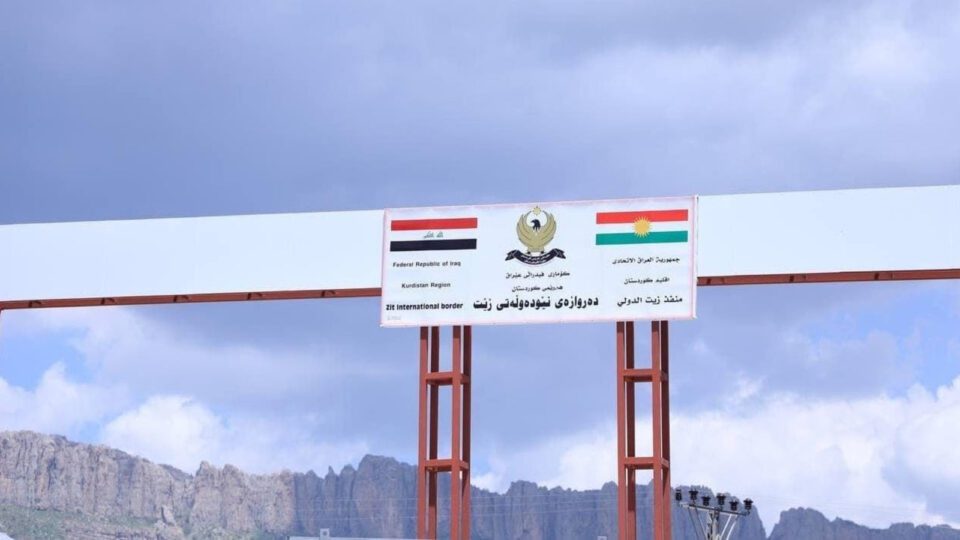
On the issue of border crossings, Jalal said the Kurdistan Region has seven crossings that are not recognized by Baghdad. The Region proposed forming a joint committee to inspect all crossings, formalize those that meet international standards, and close those that do not. Baghdad has accepted this proposal, according to Jalal.
Jalal said implementation of the ASYCUDA system and the unification of customs procedures have been postponed until the 2027 federal budget law is approved or an interim agreement is reached similar to the previous 120 billion dinar agreement.
He stressed that the Kurdistan Region wants its financial rights to be clearly guaranteed through legislation, arguing that verbal commitments from Baghdad are insufficient without a legal framework.
The dispute over revenue distribution therefore remains the central challenge to completing the customs unification process. Until the financial arrangements are resolved, the broader implementation of ASYCUDA between Erbil and Baghdad is likely to remain on hold.