
Following the escalation of tensions and the ongoing conflict in the region, the Kurdistan Region has continued to play a constructive role in promoting peace and stability. Its geographic position and status as a key trade and economic hub have placed it under international attention, and it has sought to use this position to support regional stability.
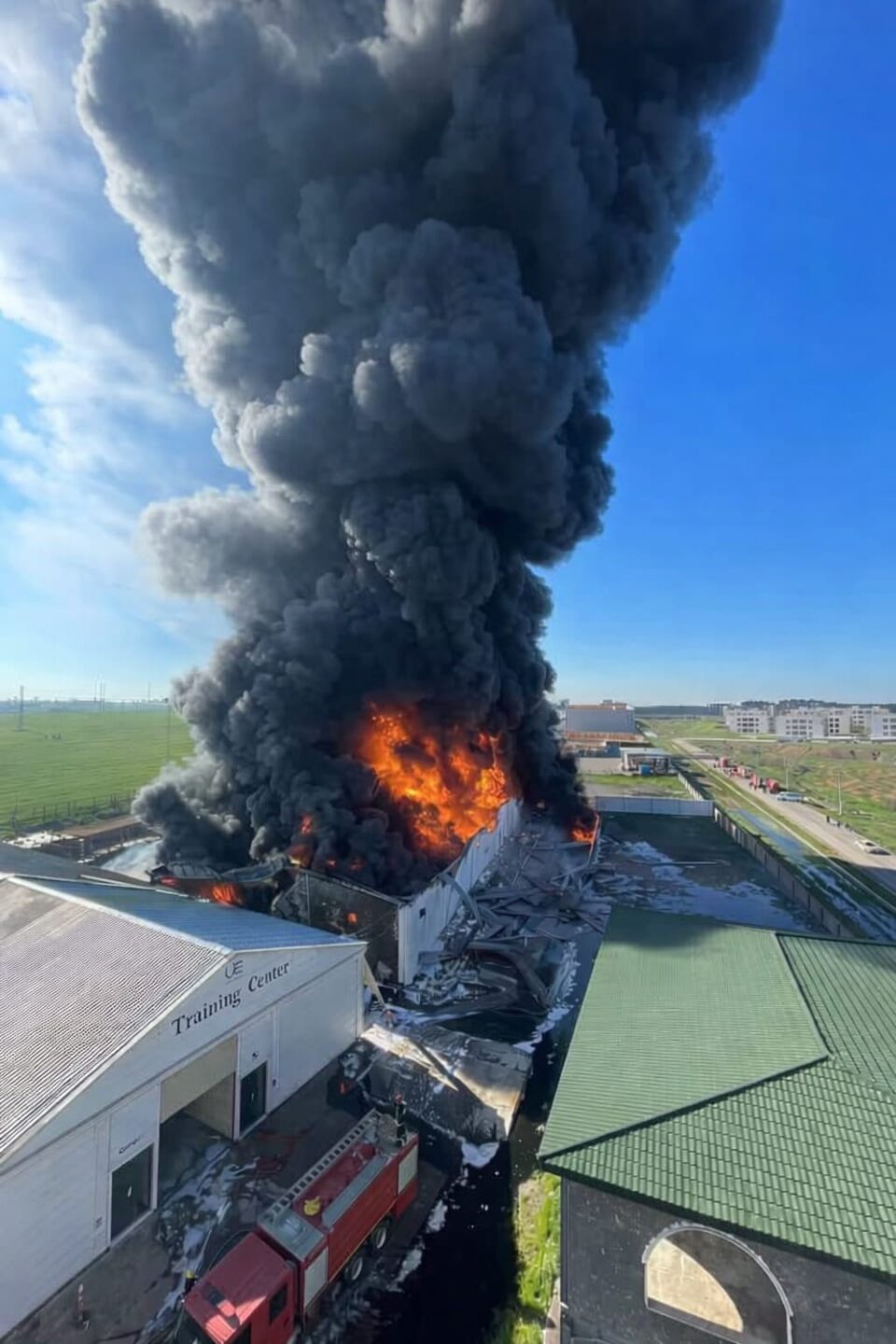
Despite these efforts, armed groups in Iraq have launched repeated drone attacks against the Kurdistan Region since the beginning of the escalation, with civilians among the targets.
In Iraq, these armed groups have also attempted to involve the country in the wider conflict. Amid growing concern over the situation and limited state control, the Iraqi judiciary has taken a stronger stance. Faiq Zidan stated on Friday that unilateral decisions by armed groups to engage in war pose a serious threat to the rule of law, national stability, and Iraq’s democratic system.
He warned that actions taken outside state authority risk dragging Iraq into an unwanted war, with serious consequences for state institutions and governance.
Following the attacks on the Kurdistan Region, several countries including the United States, France, Germany, the United Kingdom, and Turkey issued strong condemnations. Gulf states also maintained direct contact with the Presidency and the Kurdistan Regional Government to express concern and solidarity.
International legal experts have also weighed in. Dr. Nabil Fazia, an expert in international criminal law, described attacks targeting political leadership sites, including locations linked to regional leadership, as serious violations under international law, stressing the need for judicial accountability at regional and international levels.
Under international humanitarian law, targeting civilians and political figures is widely regarded as a grave breach of legal norms, particularly when it threatens sovereignty and civilian protection. Many leaders also benefit from recognized protections under international legal and diplomatic frameworks.
Political analyst Dr. Hussam Shalabi noted that the Kurdistan Region’s leadership has long experience in crisis management and diplomacy. He said recent attacks appear to go beyond isolated incidents, suggesting attempts to influence political positions or send strategic messages through targeted strikes.
He added that the Kurdistan Region has historically maintained a pragmatic approach, avoiding direct involvement in major regional conflicts while keeping open channels of communication with multiple regional and international actors.