
Officials highlight growing strategic partnership focused on trade, investment, and sustainable development.
The Kurdistan Region is strengthening its economic relations with Gulf Cooperation Council (GCC) countries, as cooperation with major Gulf capitals such as Riyadh, Abu Dhabi, and Doha expands beyond traditional diplomacy into a broader economic partnership.
In an interview with The Kurdish Globe, Gailan Haji Saeed said the Kurdistan Region is seeking to reposition itself as a regional commercial hub rather than a simple consumer market for imported goods.
He explained that plans are underway to establish free industrial and trade zones in the Kurdistan Region, enabling it to serve as a transit route for goods moving between Europe, Turkey, and Gulf countries. According to him, this would help position Kurdistan as a strategic logistics and distribution centre in the region.
Saeed also emphasized the importance of partnerships with countries such as the United Arab Emirates and Saudi Arabia, describing economic relations with the UAE in particular as “exceptionally strong.” He noted that the Kurdistan Regional Government (KRG) has introduced investment incentives aimed at attracting Gulf investors, following models similar to the UAE’s development strategy.
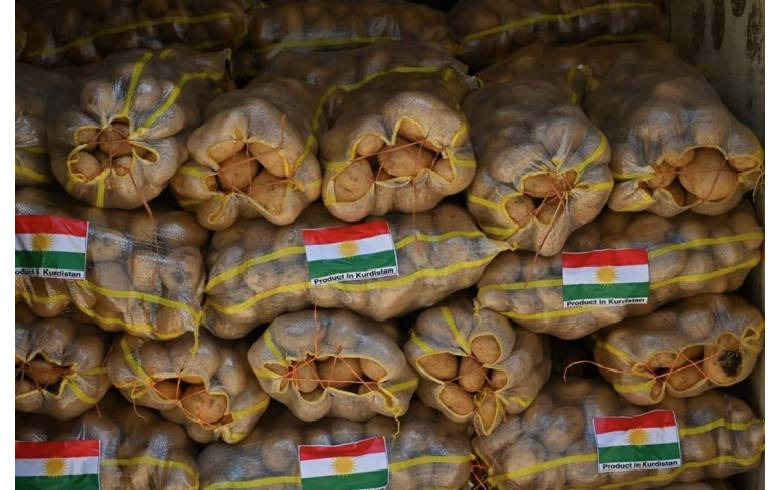
He added that the Kurdistan Region’s geographical location, climate, and proximity to major markets make it attractive for production and trade, especially for goods currently imported into Gulf countries from distant markets.
Addressing future economic trends, Saeed highlighted the importance of transitioning toward a green economy and renewable energy. He said ongoing agreements with Gulf states are expected to have long-term impacts on the region’s economy and private sector development, benefiting future generations through continued investment and cooperation.
He also pointed to the presence of major Gulf companies, including Majid Al Futtaim and firms from the UAE, Qatar, and Saudi Arabia, noting that their involvement goes beyond construction projects. According to him, these investments contribute to technology transfer and the introduction of modern business practices, helping the Kurdish private sector align with international standards.