
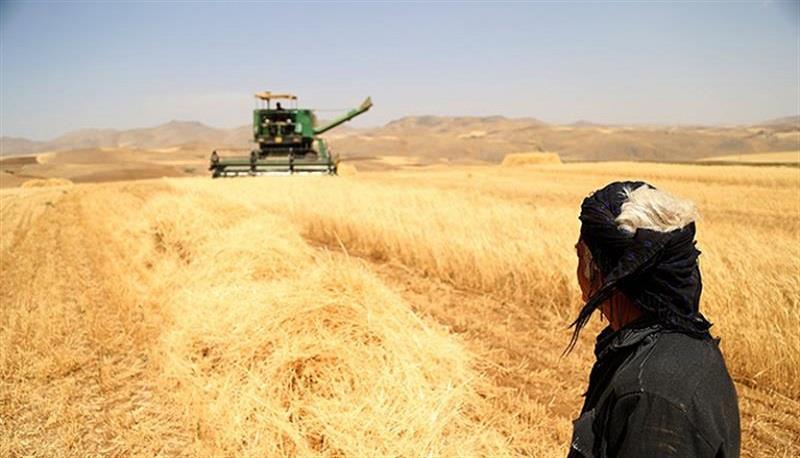
Federal procurement cuts deepen concerns over unequal treatment and rising pressure on the region’s agricultural sector.
The issue of wheat procurement continues to create serious challenges for farmers in the Kurdistan Region, as the federal government in Baghdad has once again reduced the amount of wheat it agrees to purchase from local producers, despite ongoing efforts by the Kurdistan Regional Government (KRG) to resolve the matter.
Wheat procurement and budget allocation are classified as part of Iraq’s sovereign expenditures, meaning the federal government is expected to treat all farmers across Iraq and the Kurdistan Region equally. However, the latest decision limits the purchase from Kurdistan farmers to 292,000 tons this year, a significant reduction compared to previous years.
This decline continues a downward trend. In 2024, Baghdad purchased over 700,000 tons from the region, which fell to around 400,000 tons last year, and has now been reduced further. Critics argue that if this pattern continues, procurement could eventually be reduced to minimal quantities despite rising production.
The 292,000 tons allocated this year represents less than 12% of the Kurdistan Region’s expected total wheat production of 2.5 million tons. In contrast, the federal government plans to purchase around 3.8 million tons from central and southern provinces, bringing Iraq’s total wheat procurement to over 4 million tons. This places Kurdistan’s share at less than 7% of the national total.
According to the Kurdistan Region’s Ministry of Agriculture, the federal government’s procurement rate also shows a wide disparity in treatment. Farmers in the Kurdistan Region receive acceptance of about 88.5 kilograms per dunam of cultivated land, compared to around 900 kilograms in other Iraqi provinces.
The KRG has described the decision as unjust and has continued talks with federal authorities in an effort to increase the quota. A joint delegation from the KRG Ministries of Agriculture and Water Resources, Trade and Industry, and Planning recently visited Baghdad and met with the Federal Ministry of Agriculture, but no agreement was reached.
The Ministry of Agriculture estimates that wheat production in the Kurdistan Region for the 2025–2026 season could exceed 1.5 million tons, further increasing the urgency of reaching a fair procurement arrangement with Baghdad.