
Consolidation of the principle of political consensus, reform, and institution building.
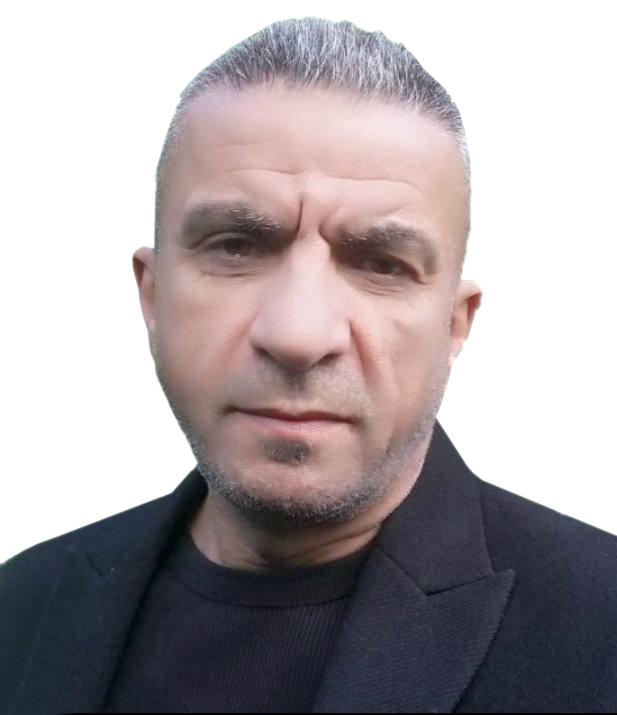
By Saadula Aqrawi
I believe that Iraq stands at a critical political juncture as it anticipates the formation of its next government. After years of instability, public protest, and institutional strain, the coming phase presents both a challenge and an opportunity to consolidate a governing model rooted in political consensus, genuine reform, and durable institution building. These three pillars are not merely aspirational, they are essential for restoring public trust and ensuring long-term stability.
Political Consensus as a Governing Necessity, yes, actually since 2003, Iraq’s political system has relied heavily on consensus among its diverse ethno-sectarian and political actors. The key challenge for the next government is to redefine consensus not as a mechanism for dividing power and resources, but as a framework for shared responsibility and collective decision making. And a more mature form of consensus would involve transparent agreements on national priorities, clear delineation of authority, and accountability mechanisms that bind all participating actors. It should also extend beyond political elites to include civil society, youth movements, and emerging political forces that have gained prominence in recent years. Without broad based inclusion, consensus risks becoming an exclusionary tool that deepens public disillusionment.
Public demand for reform has been one of the most defining features of Iraq’s recent political landscape. Demonstrations across the country have consistently called for action against corruption, unemployment, and poor service delivery. The next government must move beyond symbolic gestures and articulate a concrete reform agenda with measurable outcomes.
Yes, Anti corruption frameworks, Strengthening oversight bodies, ensuring judicial independence, and enforcing accountability regardless of political affiliation. Reducing dependence on oil revenues by investing in agriculture, and private sector development. Addressing inefficiencies, patronage networks, and bloated payrolls that strain the national budget. Prioritizing electricity, water, healthcare, and education to meet citizens’ basic needs.
I do believe that the reform efforts must be institutionalized rather than personalized. This means embedding changes within laws, regulations, and administrative systems that can endure beyond individual administrations.
Institution Building as the Foundation of Stability. Strong institutions are the backbone of any functioning state. In Iraq, institutional weakness has often allowed political interference, undermined governance, and eroded public confidence. The next government has a critical role in reinforcing state institutions so they operate effectively, independently, and transparently. The formation of Iraq’s next government is more than a routine political transition, it is a pivotal moment that will shape the country’s trajectory for years to come. By redefining political consensus, committing to meaningful reform, and investing in strong institutions, Iraq has a chance to move toward a more stable and accountable system of governance.
The effort to build a stable democratic system in Iraq has been one of the most complex political projects in the modern Middle East. Shaped by decades of authoritarian rule, conflict, and deep social diversity, Iraq’s democratic experiment requires careful attention to institutional design, inclusion, and power sharing. Among the key actors in this process are the Kurds, whose political experience and regional autonomy have significantly influenced the country’s democratic trajectory.