
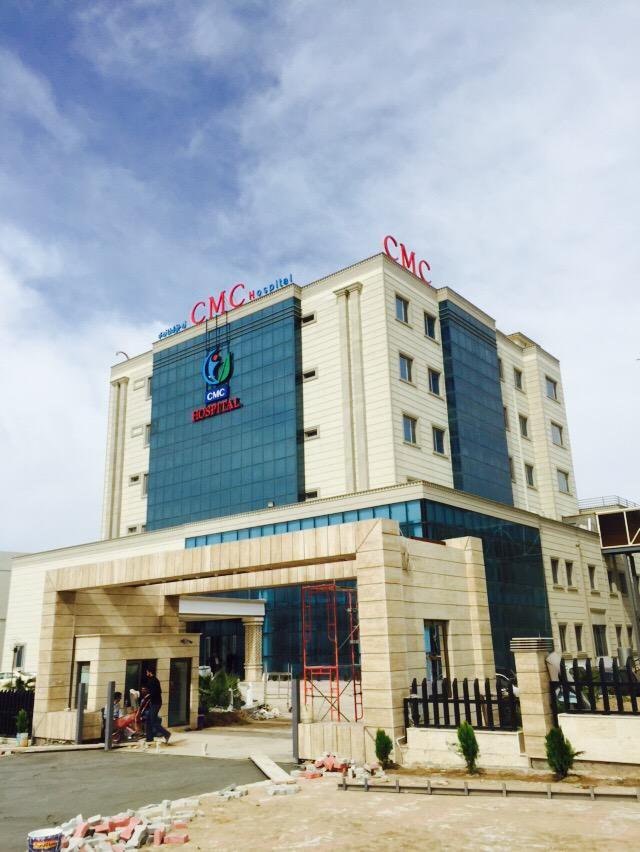
Private hospitals have emerged as a major force in the Kurdistan Region’s healthcare system, nearly matching the public sector in number while offering modern facilities and faster care that many patients prefer.
As of 2025 data, the region has 68 private hospitals operating alongside 83 public ones. Erbil hosts the largest share with 30 private facilities, followed by Sulaymaniyah with 20, Duhok with 13, and smaller numbers in Halabja and other areas.
These private institutions provide advanced equipment, shorter waiting times, better-maintained infrastructure, and specialized services ranging from complex surgeries to diagnostics and maternity care. Many patients, particularly those able to pay out-of-pocket, opt for private care over overcrowded and under-equipped public hospitals. Collectively, private facilities have added thousands of beds, eased pressure on the public system, drawn specialists, and begun attracting medical tourists from other parts of Iraq.
The Kurdistan Regional Government has acknowledged the sector’s growing importance. The Ministry of Health has held regular meetings with private hospital representatives to improve regulation, quality standards, and coordination. Past initiatives, including 25 percent price reductions, aimed to enhance affordability while maintaining service levels.
Rapid Growth Exposes Deep Structural Weaknesses
The most pressing issue is affordability. Private care remains significantly more expensive, placing a heavy burden on ordinary citizens in the absence of widespread health insurance. While public hospitals are nominally free or low-cost, chronic shortages of medicine, equipment, and staff often drive patients toward private options they can barely afford.
A longstanding problem is dual practice, in which many doctors employed full-time in the public sector spend limited hours there before moving to higher-paying private clinics and hospitals. This practice reduces availability in public facilities, creates conflicts of interest, and reportedly leads some physicians to refer patients to their own private practices.
Regulation has struggled to keep pace with growth. Critics say the largely unplanned expansion raises concerns about consistent quality, accreditation, and patient safety. Private hospitals are heavily concentrated in major cities, leaving rural areas underserved. Limited public data on treatment outcomes and weak oversight have fueled worries about over-commercialization and profit-driven priorities.
Broader challenges include chronic underfunding of public hospitals, a lack of comprehensive health insurance, brain drain of medical professionals, and allegations of corruption in contracting and procurement.
Calls Grow for Stronger Regulation and Integration
Medical professionals and analysts have called for stronger government oversight, clearer separation of public and private roles for physicians, standardized accreditation, and the development of social insurance schemes to protect lower-income residents.
Private hospitals have delivered clear gains in capacity, innovation, and quality in a region still recovering from years of conflict and underinvestment. Yet without targeted reforms — including tighter regulation, fair pricing mechanisms, and better integration between the two sectors — they risk widening inequality rather than building a more balanced and equitable healthcare system.
As the Kurdistan Region continues to develop, bridging the parallel public and private systems into a cohesive network will be critical to ensuring quality care reaches all residents. Ongoing dialogue between the Ministry of Health and private providers offers a potential path toward that goal.
By Jawad Qadir