
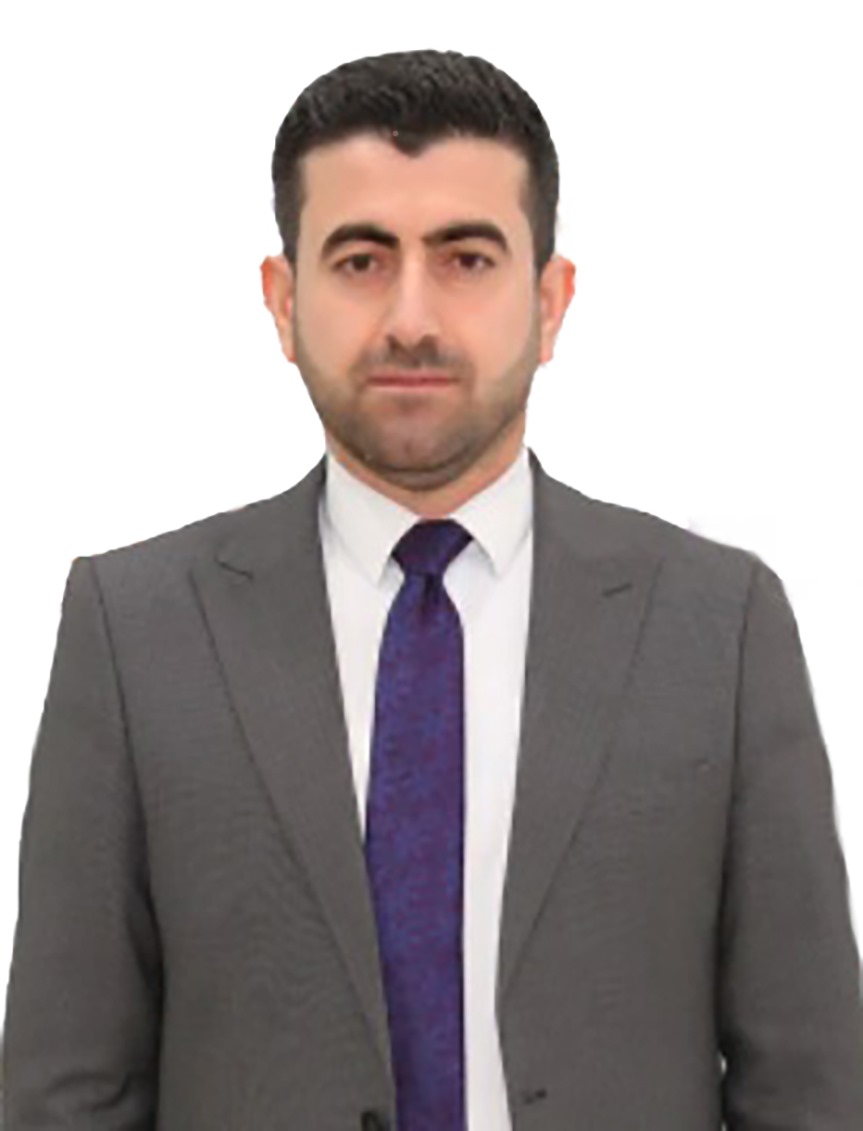
By Tahseen Wsu Abdullah
After intense political conflict and rivalry within the “Shiite House” (specifically the Coordination Framework) and other Iraqi forces, Ali Falih al-Zaydi finally took office in mid-May 2026 as the eighth Prime Minister since the fall of the Ba’ath regime in 2003. Zaydi emerged as a consensus candidate within the Shiite house, a result of the failure to reach an agreement between Nouri al-Maliki and Mohammed Shia’ al-Sudani. Zaydi, who possesses an economic and financial background, introduced his cabinet with promises of an “anti-corruption revolution” and the “restriction of arms to state control.”
However, the Iraqi reality contains a set of complex obstacles that will serve as an inevitable test for the survival of this cabinet. Furthermore, the region is undergoing profound security, economic, and political crises resulting from the war between the United States and Israel against the Islamic Republic of Iran. Because Iraq has consistently been viewed as an ally of Iran, the repercussions of this war have heavily impacted the country. Meanwhile, the United States is keeping a close watch on Iraq, aiming to at least diminish Tehran’s pillars of influence and liberate Iraq from its hegemony.
While Iraq faces various multifaceted challenges, this discourse focuses on four of the most prominent ones facing Ali Zaydi’s cabinet. These challenges are seen as the “litmus test” for the cabinet’s ability to overcome obstacles and manage crises:
First: Controlling Arms and Resolving Security Issues; Restricting weapons to the hands of the state, controlling the arms of various non-state groups, and ensuring they remain solely with official forces is one of the toughest tests. In addition to this, the withdrawal of Coalition forces—scheduled to be completed by September 30th—requires the maintenance of a delicate security balance. This challenge stands as a grueling trial for the capabilities of the Zaydi cabinet.
Second: Financial Reform and Corruption; One of the most persistent issues of the Iraqi political system is financial reform and the phenomenon of corruption post-2003. This issue has completely paralyzed the political system and official institutions, hindering service delivery and problem-solving. According to the Zaydi government’s approved program, this issue is a top priority. In this context, the arrest of high-ranking officials and parliamentarians accused of corruption will trigger intense domestic political pressure. There is already a perception that Zaydi’s anti-corruption steps are not comprehensive, but rather targeted at a specific faction—namely Sudani and his associates. Furthermore, recovering stolen funds and assets from previous eras requires complex legal and administrative mechanisms.
Third: Protecting Sovereignty and Managing Foreign Relations; Preventing foreign countries from interfering in Iraq’s internal affairs through local proxies will be one of the most difficult challenges, especially since Iraq has long been viewed as an arena for the intervention of neighboring states.
Fourth: Erbil-Baghdad Relations; The conflict between the Kurdistan Region and the federal government has been a primary obstacle for successive cabinets since 2003, and particularly since 2014. Although Ali Zaydi lacks deep experience in this specific file, he does not carry a negative historical background with the Kurds. Nevertheless, managing this relationship remains a major challenge, as it directly impacts domestic political stability and the international community’s view of the Iraqi government.
Ali Zaydi has emerged as a Prime Minister who seeks to build a “New Iraq.” However, the success of this cabinet depends on whether Zaydi can withstand the pressures of the “Deep Party System” in Iraq, or whether he will ultimately become another victim of Iraq’s entrenched political equations.