
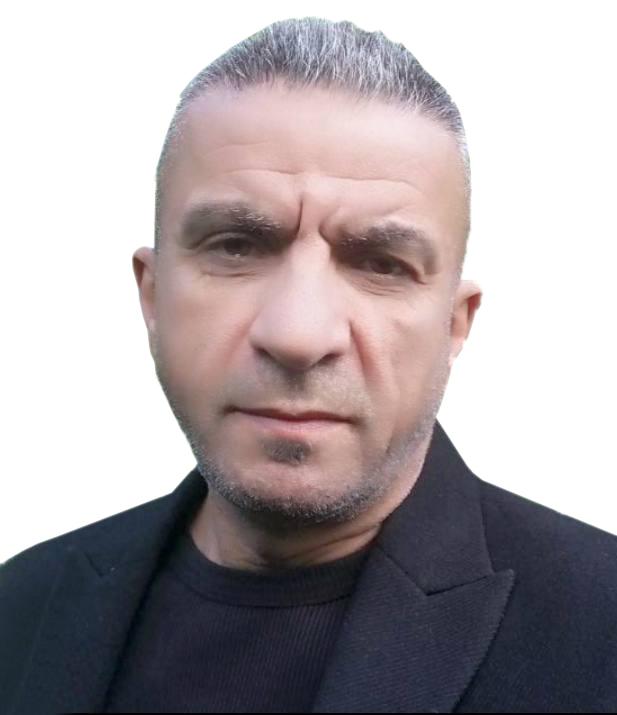
By Saadula Aqrawi
I believe that there are moments in history when the greatest tragedy is not the destruction of cities or the collapse of governments, but the collapse of moral values. A nation can rebuild its roads, bridges, and institutions, but rebuilding a wounded conscience is far more difficult. For decades, Iraq has endured wars, dictatorship, terrorism, sectarian conflict, corruption, and political instability. These tragedies have left deep scars on society. Violence became commonplace, corruption became institutionalized, and hatred often replaced compassion. Too often, human life seemed to lose its value.
One of the darkest chapters in Iraq’s modern history was the rise of killing based solely on identity. Men, women, and even children became victims not because of what they had done, but because of who they were. Families were displaced, neighborhoods were divided, and innocent lives were destroyed in the name of religion, sect, or politics. Such crimes were committed by individuals and groups who claimed moral or religious justification, even though no faith truly permits the murder of innocents.
I believe that Corruption has been equally devastating. In many societies, theft is often driven by desperation or poverty. In Iraq, however, corruption has frequently taken a different form. Public wealth has been looted not out of necessity but out of greed. Resources that should have built schools, hospitals, and infrastructure were instead diverted into private fortunes. In some cases, destruction accompanied theft, leaving behind not only economic loss but also shattered public trust. Yes, the brutality of violence has also shocked the conscience of the nation. Beyond killing itself came acts of cruelty that defied human dignity mutilation of bodies, attacks on places of worship, and even the desecration of graves. Such acts represent the complete abandonment of ethical and humanitarian principles.
Yet it would be unjust to conclude that these crimes define every Iraqi. Millions of Iraqis rejected violence. The real challenge facing Iraq is not simply rebuilding its economy or reforming its political institutions. It is restoring the values that hold a society together: respect for human life, honesty, justice, accountability, and equal citizenship under the rule of law. Without these foundations, no amount of wealth or political reform can secure lasting peace.
And i do believe that history does not condemn a nation forever. Every nation has experienced periods of darkness. What distinguishes successful societies is not the absence of failure, but their willingness to confront their mistakes, learn from them, and build a better future. Iraq possesses one of the oldest civilizations in human history. It gave the world writing, law, science, and culture. That heritage should not be remembered only as a source of pride but also as a responsibility. The future of Iraq depends not on its glorious past, but on the moral choices its people make today. Only when justice replaces corruption, when citizenship triumphs over sectarianism, and when humanity prevails over hatred can Iraq begin to reclaim its place among the nations not merely through the greatness of its history, but through the dignity of its people.