
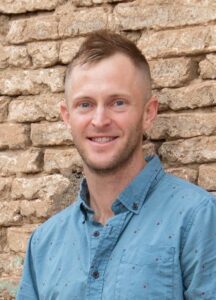
By Jamie Watt
When my family and I first arrived in Kurdistan, the neighborhood generator was the soundtrack of summer. It sat on the corner of our street under a web of sagging cables, and it rattled to life every time the national grid cut out, which was often. You learned the rhythm without trying. The lights flickered, the air conditioner sighed and stopped, and somewhere down the block a diesel engine coughed and took over. We planned our days around it. When to run the washing machine. When to charge the phones.
This July, most streets are quiet. The generators are gone. In their place is something that would have sounded like a fantasy when we unpacked our first boxes here: national electricity, twenty-four hours a day.
The Runaki project made that happen. Since the Kurdistan Regional Government launched the program, round-the-clock power has reached more than 85 percent of the Region’s residents, roughly 5.5 million people. Nearly 6,000 neighborhood generators have been shut down. Families who once paid two electric bills, one to the grid and a heavier one to the generator owner, have seen costs fall by as much as 80 percent. The goal is full coverage across the Region by the end of this year, and it is within reach.
I want to be honest about this spring, because everyone here lived through it. When war broke out in March and operations at the Khor Mor gas field were suspended for safety, the Region lost thousands of megawatts almost overnight. For a few weeks, some old generators coughed back to life and the familiar rattle returned. It was a reminder of how fragile progress can be in this part of the world, and how much depends on peace beyond anyone’s borders.
But the spring taught a second lesson. The system came back. Engineers restored supply, the rollout resumed, and one by one the generators went quiet again. A program that could have stalled for a year absorbed a serious shock and kept moving. As an American who has watched infrastructure projects back home drag on for a decade over far smaller obstacles, I found that steadiness worth writing about.
The numbers are impressive, but the change is easiest to see in people, and I think first of the elderly. July in Erbil regularly pushes past 43 degrees Celsius, and for older residents that heat is not an inconvenience. It is a health risk. Reliable power means air conditioning that does not quit at noon, insulin kept safely cold, oxygen machines that run through the night, and elevators that keep working in buildings where stairs are a serious obstacle. My neighbor’s mother is in her eighties and spent decades of summers moving from room to room, chasing whatever cool air the generator could afford. This year she sleeps through the night. Ask any family caring for an aging parent what twenty-four-hour electricity means, and you will not hear a word about megawatts.
There are quieter benefits too, in the most literal sense. With thousands of diesel generators retired, the air is cleaner and the streets are calmer. Shopkeepers no longer shout over engines. Children sleep without the hum. Small businesses can promise a freezer that stays frozen and plan for growth instead of planning around outages.
None of this happened by accident. It took years of planning, serious investment, and a government willing to take on a problem that had defined daily life here for a generation. It also took citizens willing to trust a new system enough to retire the old one. That partnership is delivering results you can feel the moment you step out of the heat into a cool room.
There is a version of Kurdistan’s story told from a distance, mostly in headlines about conflict. Then there is the version you only notice by living here: the empty corner where a generator used to sit, and a grandmother upstairs sleeping through a hot night in comfort. This summer, the quiet is the story. I hope the world starts listening to it.