
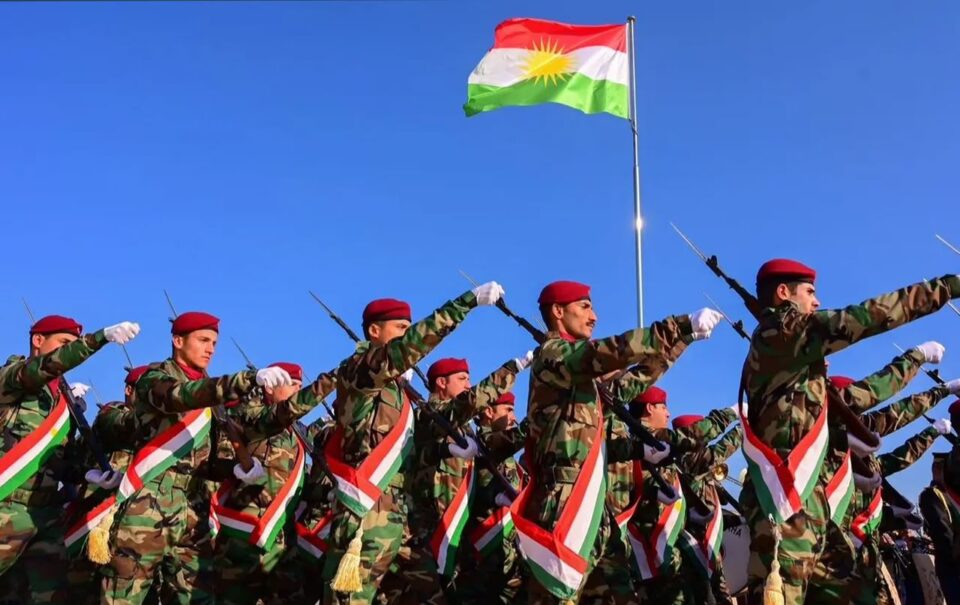
The withdrawal of US and Coalition forces from Iraq and the Kurdistan Region on September 30 has opened a new chapter in the country’s security situation, raising questions about regional stability, the fight against ISIS and the future of Iraq’s relations with Washington.
In 2024, the United States and Iraq reached an agreement to end the US-led military mission in Iraq. The decision marked a shift in bilateral relations, with Baghdad seeking to maintain Washington’s political and strategic support while assuming greater responsibility for its security.
However, the departure of Coalition forces has raised concerns about the possibility of ISIS regaining strength and Iran-aligned armed groups expanding their influence. These concerns come amid continuing regional tensions and the risk of further confrontation between the United States and Iran.
Since the fall of Saddam Hussein’s regime in 2003, Washington and Tehran have competed for influence in Iraq. American critics have questioned the results of US policy, arguing that despite the resources and sacrifices invested in Iraq, some political developments have benefited forces opposed to American interests.
Political analysts argue that the withdrawal of American troops does not necessarily mean the end of US influence in Iraq. Washington is expected to remain engaged through diplomatic, economic and security cooperation, although the nature of the relationship may change.
Kurdistan’s security and air defense concerns
For the Kurdistan Region, the withdrawal comes amid concerns about drone and missile attacks and the need to strengthen air defense capabilities.
During the recent conflict involving the United States and Iran, the Kurdistan Region experienced repeated drone and ballistic missile attacks. According to the Kurdistan Region’s Ministry of Peshmerga Affairs, the region was targeted more than 1,000 times. Some attacks struck civilian areas, causing casualties, injuries and material damage.
In a statement, the ministry described the withdrawal of American and Coalition forces as a development taking place at a sensitive time, given the unstable security situation in Iraq and the wider Middle East.
The ministry expressed concern about the departure of Coalition forces without the provision of air defense systems for the Kurdistan Region. It also stressed that the region’s airspace is part of Iraq’s federal airspace and that the federal government has primary responsibility for protecting it.
Despite these concerns, the ministry reaffirmed the readiness of the Peshmerga forces to defend Kurdistan and respond to emerging threats. It said the forces remained capable of adapting to changing circumstances and confronting potential security challenges.
The ministry also expressed gratitude to the United States and its Coalition partners for their past cooperation and support for the Kurdistan Region and the Peshmerga forces.
A new phase for Baghdad and Erbil
The withdrawal places greater importance on coordination between the Iraqi federal government and the Kurdistan Regional Government, particularly in protecting borders, confronting ISIS and addressing threats from drones and missiles.
For Baghdad, the challenge will be to demonstrate that Iraqi security institutions can maintain stability while managing relations with competing regional and international powers. For Erbil, strengthening air defense capabilities and maintaining security cooperation will remain important priorities.
The end of the Coalition’s military mission does not necessarily mean Iraq will face a security vacuum. However, the ability of Iraqi forces and the Peshmerga to respond to emerging threats, alongside effective cooperation between Baghdad and Erbil, will be critical.
As regional tensions continue, Iraq and the Kurdistan Region face a new test: protecting their security, preserving international partnerships and preventing the country from being drawn into another devastating conflict.