
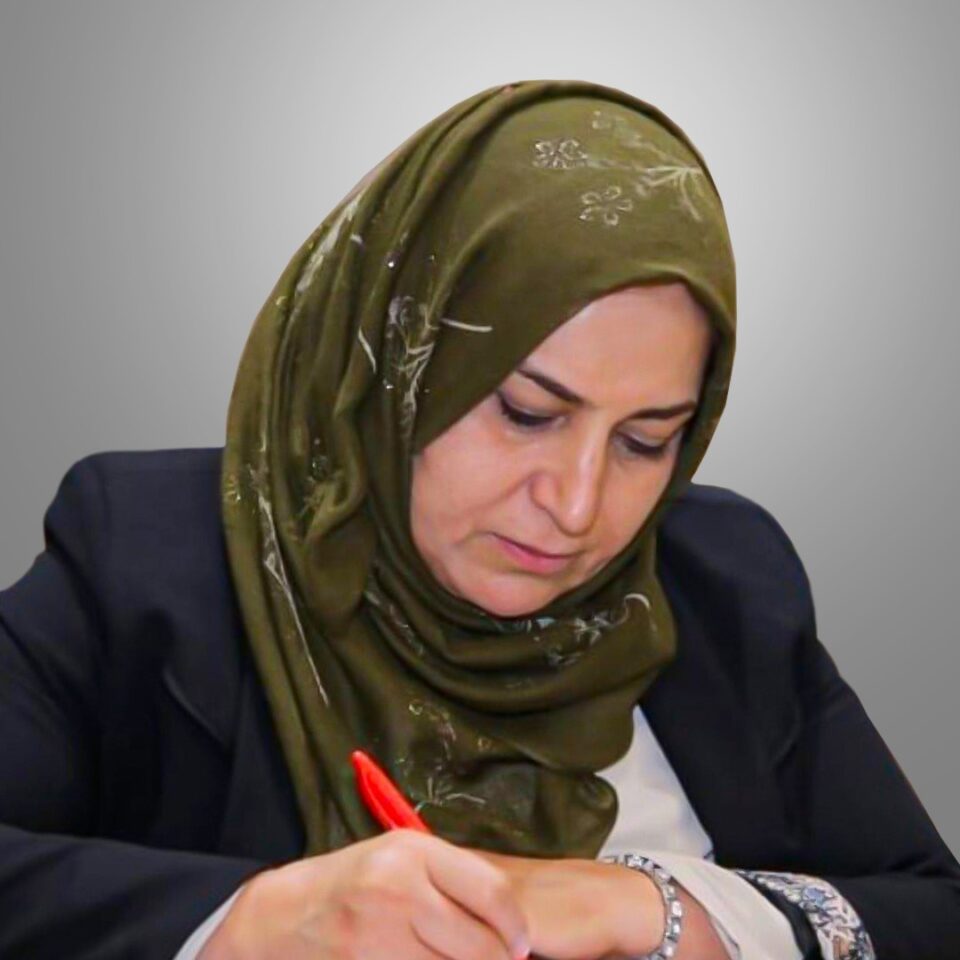
By | Dr. Nazaket Hussen
Iraq has endured more than four decades of war, political crises, violence, and instability. The country has paid a heavy price in lives, resources, and lost opportunities. After so much conflict, Iraq now needs to enter a new phase—one defined by peace, stability, and development.
The emergence of armed groups and militias was largely a product of Iraq’s turbulent history. Some played an important role in confronting ISIS and defending the country during one of its darkest periods. Those sacrifices should be recognized.
But the circumstances have changed. The defeat of ISIS should mark the beginning of a new chapter, not a continuation of the politics of armed conflict.
A stable state cannot have competing centers of military power. Armed groups operating outside the full authority of state institutions weaken the rule of law, create uncertainty, and make lasting political and economic stability more difficult.
Bringing weapons under state authority is therefore not only a security issue; it is part of building a modern Iraqi state. Legitimate security forces should operate within one national framework and under the authority of state institutions.
This does not diminish the sacrifices made against terrorism. Rather, those sacrifices should be honored by building the secure and peaceful country they helped protect.
Iraq’s ethnic, religious, and cultural diversity also makes stability essential. Its many communities can be a source of strength if protected through equal citizenship, dialogue, and mutual respect. Political differences should be resolved through institutions, not weapons.
Iraq’s economic future depends on this stability. The country needs investment, reconstruction, infrastructure, education, employment, and stronger public services. Its natural resources and strategic location give it enormous potential, but investors need security and citizens need confidence in their future.
Resources spent on conflict could instead be directed toward rebuilding the country. Iraq’s young people should have opportunities in education, technology, business, agriculture, and industry—not be drawn into cycles of political and armed confrontation.
The responsibility now rests with Iraq’s political leaders and all of its communities. The national interest must come before factional interests, and state institutions must be stronger than competing centers of power.
Iraq has spent too many generations dealing with war. The next generation deserves to inherit a country defined by opportunity rather than conflict.
Iraq must choose development over conflict, institutions over fragmentation, and peace over instability.
A calm, peaceful, and stable Iraq would not only benefit its citizens; it would also strengthen security and prosperity across the region.