
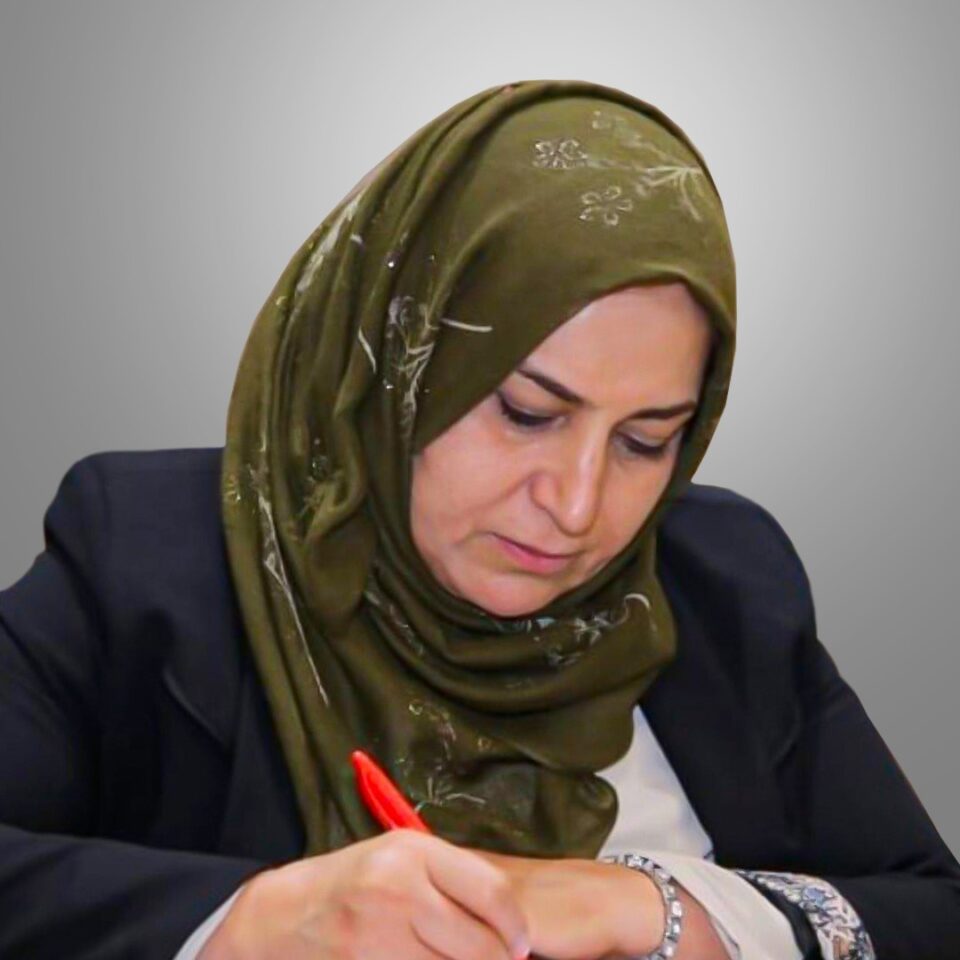
By | Dr. Nazaket Hussen
The recent conflict involving the United States and Iran has once again demonstrated how regional wars can quickly affect countries far beyond the battlefield. The war generated political, economic, social, and psychological uncertainty across the Middle East, increasing tensions and raising concerns about regional stability. While recent agreements between the parties have reduced tensions and created cautious optimism, the consequences of the conflict will continue to be felt for years.
Iraq is among the countries most affected by these developments. Years of regional rivalries and recurring conflicts involving Iran, the United States, and Israel have placed significant pressure on Iraq’s political and economic systems. The country continues to face challenges that have accumulated over decades of war, instability, and underdevelopment.
Despite these difficulties, Iraq possesses important strengths. It is a diverse country composed of multiple ethnic, religious, and linguistic communities. The challenge has never been diversity itself, but rather the failure of successive governments to build a political system capable of managing that diversity through partnership and inclusion.
Today, Iraq’s constitutional framework offers the best foundation for moving forward. Following the fall of Saddam Hussein’s regime, political forces agreed on a constitution designed to protect rights, distribute authority, and ensure participation among the country’s various communities. Strengthening commitment to that constitutional framework remains essential for preserving stability and national cohesion.
The federal system is equally important. By encouraging cooperation between Baghdad and the regions, federalism can help create a more balanced system of governance and contribute to rebuilding the country’s institutions and infrastructure. Such cooperation is necessary to provide citizens with better services and improve living standards at a time when public expectations continue to rise.
Technological change and economic transformation have reshaped societies across the region. Meeting the demands of a modern population requires effective institutions, sound governance, and respect for the rule of law. Without these foundations, sustainable stability and development will remain difficult to achieve.
As Iraq prepares for a new government, the priority should be clear: promoting reconciliation, strengthening coexistence, and advancing genuine national partnership. The country’s long-term stability will depend not only on recovering from conflict, but on creating a political environment where all citizens feel represented and where development benefits all parts of the country.