
A 16-point agreement on ASYCUDA aims to streamline trade, harmonize customs
procedures, and reduce barriers between the Kurdistan Region and federal Iraq
The Kurdistan Regional Government (KRG) and the Iraqi Federal Government have reached a preliminary understanding on implementing the ASYCUDA customs system, marking a significant step toward resolving one of the most important trade issues between the two sides.
ASYCUDA, an internationally recognized customs management system, is designed to digitalize import and export procedures, facilitate the movement of goods, and standardize customs and tax processes at border crossings. Although the system was introduced in Iraq earlier this year, differences in implementation created challenges for traders and contributed to market instability.
Under the previous arrangement, traders operating in federal Iraq benefited from access to U.S. dollars at the official Central Bank exchange rate, while businesses in the Kurdistan Region were excluded. Products entering Iraq through Kurdistan also faced additional customs requirements and restrictions when transported to other provinces.
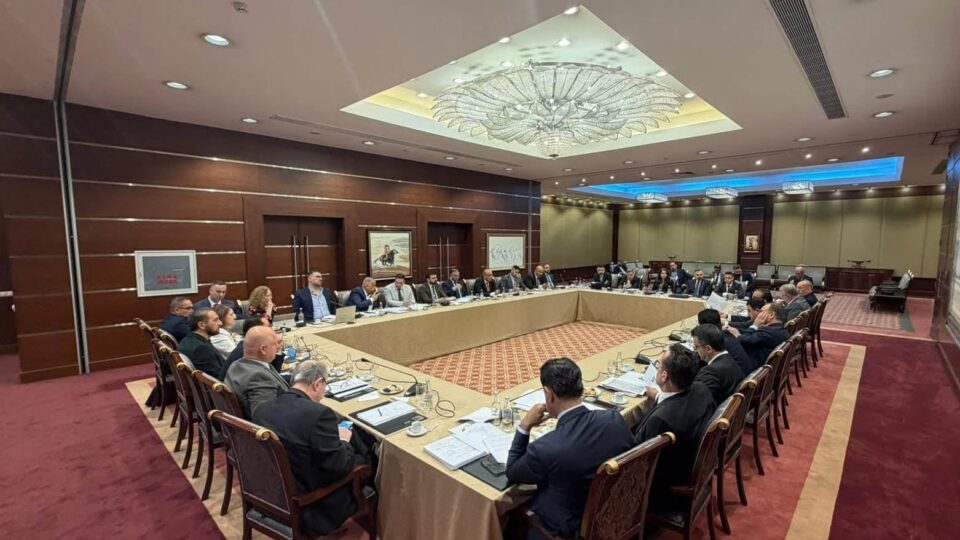
Following a series of negotiations in Baghdad, representatives of the KRG and Iraq’s General Customs Authority agreed on a 16-point Memorandum of Understanding aimed at establishing a unified framework for customs administration across the country.
According to the agreement, the Kurdistan Region will retain authority to register companies operating within its borders in the ASYCUDA system. The Iraqi General Customs Authority will provide technical training for customs personnel at border crossings throughout the Region. The Kurdish language will also be incorporated into the system, while backup data will be stored through the KRG’s information technology infrastructure.
The memorandum further provides for the harmonization of customs tariffs at border crossings and the formation of joint committees to address issues related to border management, agricultural imports, and trade regulations. Discussions concerning customs revenues, tax exemptions, and support for local products will continue through Iraq’s Ministerial Council for Economy.
Another important provision is the mutual recognition of free trade zones, import and export licenses, and company registration documents issued by both governments. Any future changes to customs tariffs will require joint approval.
Officials believe that successful implementation of the agreement could strengthen commercial activity, simplify trade procedures, improve coordination between Erbil and Baghdad, and contribute to lower costs for businesses and consumers across Iraq and the Kurdistan Region.