
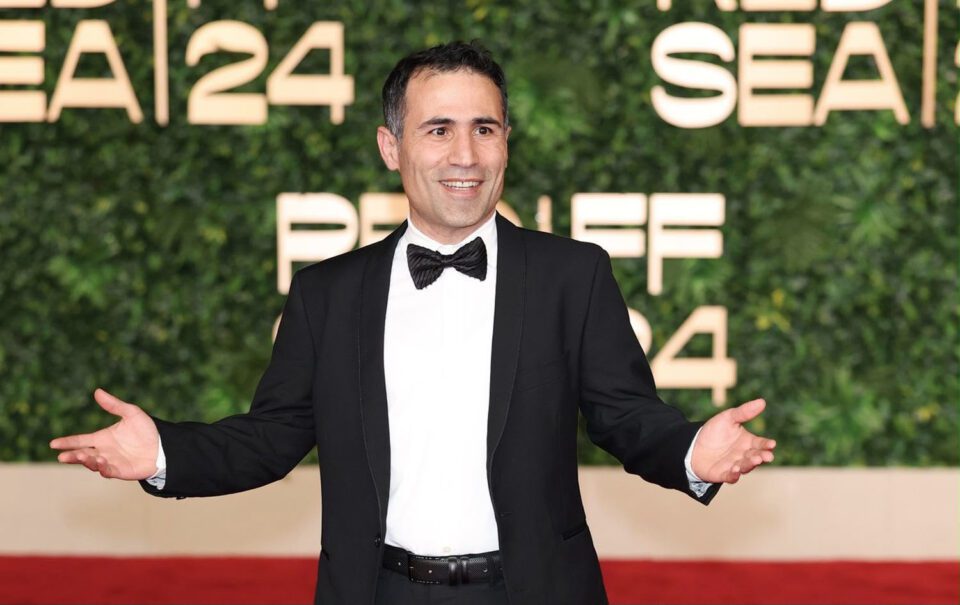
Helkewt Mustafa’s latest film to premiere at Venice International Film Festival
Kurdish cinema is taking another important step toward international recognition as the global film community turns its attention to the 83rd edition of the Venice International Film Festival in Italy, where the world premiere of Kurdish filmmaker Helkewt Mustafa’s latest work, “Heaven Will Not See You If You Kill a Woman,” will take place.
The Venice International Film Festival, considered one of the world’s oldest and most influential film festivals alongside Cannes and Berlin, brings together leading filmmakers, directors, critics, and cinema professionals from around the world.
The participation of a Kurdish film in such a major international event represents more than an achievement for the film’s creators; it is a significant cultural milestone that highlights the ability of Kurdish cinema to present complex human stories through a universal cinematic language.
The title “Heaven Will Not See You If You Kill a Woman” reflects the film’s exploration of deep social, psychological, and philosophical themes. The film addresses issues of violence, women’s rights, cultural and religious perceptions, and the painful realities created by social barriers.
Through his latest work, Helkewt Mustafa continues his approach of examining difficult social issues and presenting them from a human perspective, allowing audiences around the world to engage with the struggles, hopes, and experiences portrayed in the story.
Mustafa has already established himself as one of the prominent figures in Kurdish cinema through previous works that gained attention at international festivals. His focus on artistic quality, strong storytelling, careful casting, and detailed direction has helped bring Kurdish cinema closer to global audiences.
His new film is the result of years of dedication by a team committed to introducing Kurdish stories and perspectives through the art of cinema.
The world premiere in Venice could open new opportunities for international distribution, wider screenings, and recognition through major film awards. It also demonstrates the growing presence of Kurdish cinema on the global stage.
Through films such as this, Kurdish culture continues to use cinema as a bridge for dialogue between societies, sharing stories of hardship, resilience, and hope in a language understood across borders.