
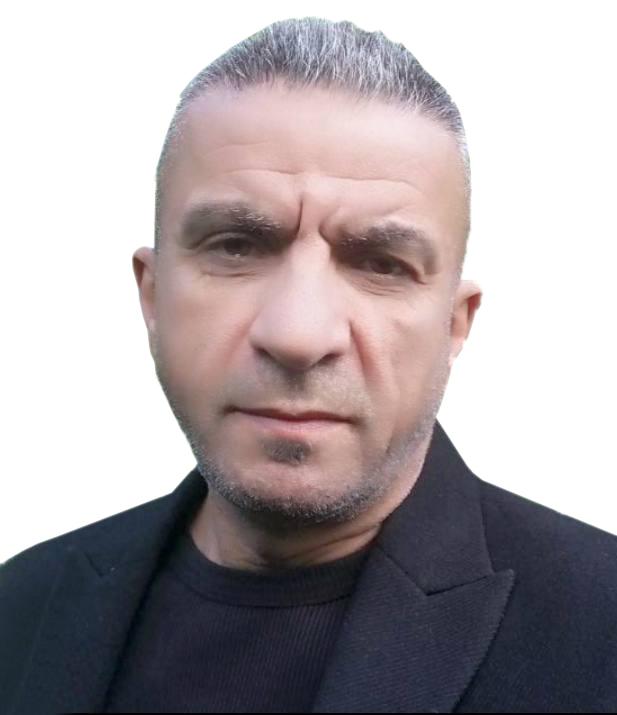
By Saadula Aqrawi
I believe that building a strong and democratic state in Iraq requires more than elections and political institutions. Democracy cannot flourish when corruption weakens public institutions or when weapons are controlled by actors outside the authority of the state. For Iraq, two of the most important challenges in building a modern democratic state are therefore the fight against corruption and the establishment of a state monopoly over weapons. An effective campaign against corruption must therefore be based on strong institutions rather than political slogans. I believe that Iraq needs independent and professional institutions capable of investigating corruption without political interference. Parliament, the judiciary, auditing institutions, financial regulators, and anti-corruption agencies should be empowered to perform their duties transparently and independently.
Yes, the principle of one state, one law, and one legitimate security authority is essential for political stability. This does not mean excluding citizens from political participation or denying legitimate political differences. Rather, it means that political competition should take place through elections, parliament, courts, and peaceful civic institutions not through armed power. I do believe that the political leaders have a particularly important responsibility in this process. Reform cannot succeed if political leaders support the fight against corruption only when it targets their opponents. Nor can the principle of state authority succeed if political actors use armed groups as instruments of political influence. Iraq needs a new political culture based on national institutions rather than personal, partisan, or factional power. Political differences are normal in a democracy, but they must be managed through constitutional mechanisms. The country’s political leadership should therefore support genuine institutional reform, strengthen the independence of the judiciary, protect oversight bodies, improve public financial management, and ensure that security institutions remain professional and national. The ultimate goal of fighting corruption and establishing state control over weapons is not simply to strengthen the government. It is to strengthen the relationship between the citizen and the state. Iraqi citizens need to feel that public institutions work for them, that their taxes and national resources are protected, that the law applies equally to everyone, and that their lives and property are secure.
Actually trust cannot be created through speeches alone. It is built when citizens see corrupt officials held accountable through lawful procedures, public resources used responsibly, and security institutions protecting everyone without discrimination. Iraq has enormous human and natural resources and a society with a long history and significant cultural diversity. The country has the potential to become a stable and prosperous democratic state, but this requires a national project that places institutions above individuals and the state above political factions.
Finally the fight against corruption and the monopoly of legitimate force are not separate issues. They are two sides of the same process of state-building. A government that controls public money but cannot guarantee security remains vulnerable. Likewise, a state that controls weapons but tolerates corruption cannot establish genuine legitimacy. The future of Iraqi democracy depends on building institutions that citizens can trust. This requires political courage, judicial independence, transparency, accountability, professional security forces, and a commitment to constitutional government.