
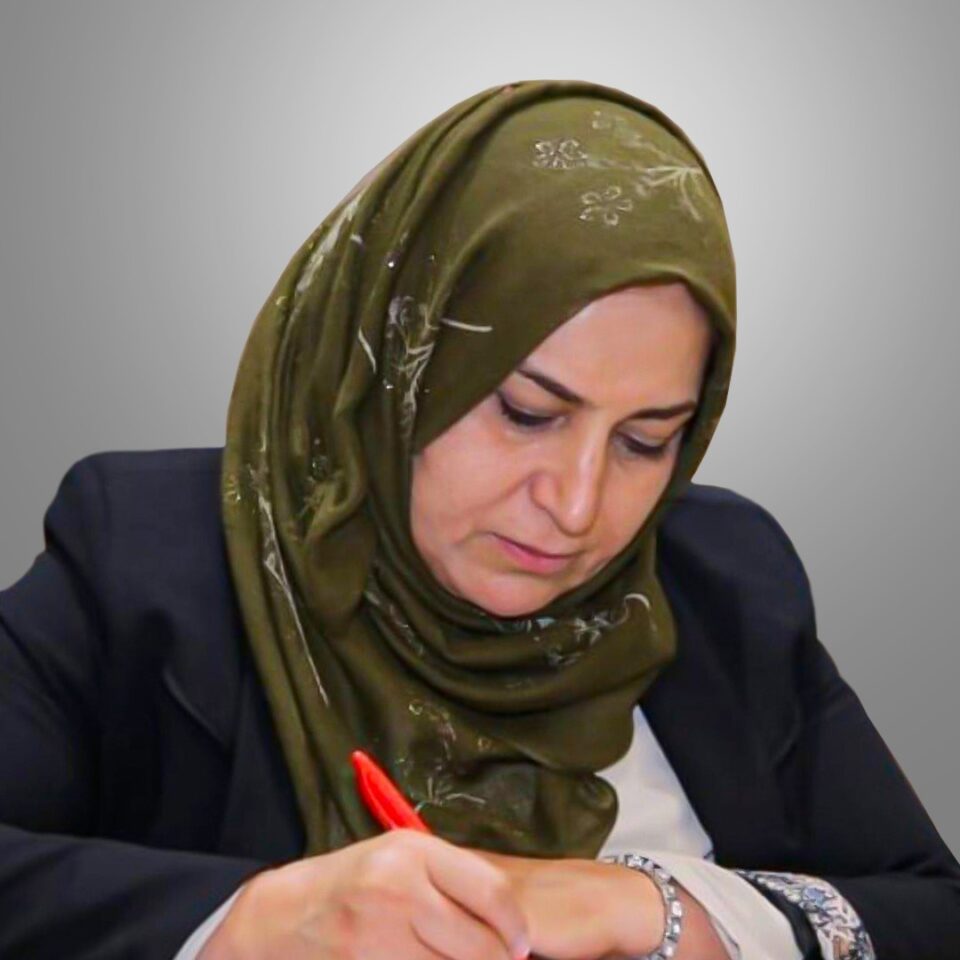
| Dr. Nazaket Hussen
The constitution of any country may need to be amended over time to reflect changing social needs, political realities and public demands. In Iraq, however, changing the federal constitution is a complicated process because of the country’s political divisions, diverse communities and the need to protect the rights of its different groups.
Iraq is home to various ethnic and religious communities, each with its own interests and concerns. Reaching agreement on constitutional changes therefore requires broad political consensus. Without it, proposed amendments could deepen existing divisions and create further disputes over power, representation and the rights of different communities.
Article 126 of the Iraqi Constitution sets out the main procedure for constitutional amendments. The president and the Council of Ministers acting together, or at least one-fifth of the members of the Council of Representatives, may propose changes. Amendments generally require the approval of two-thirds of parliament, a national referendum and presidential ratification within seven days. The constitution also states that amendments enter into force when published in the Official Gazette.
There are additional restrictions on changes to fundamental principles and rights. Article 126 states that the fundamental principles in the first section of the constitution and the rights and freedoms in the second section cannot be amended until after two successive electoral terms. Such changes must also receive the required parliamentary and public approval.
The Kurdistan Region’s constitutional rights are another important consideration. Article 126 explicitly states that an amendment cannot reduce the powers of a region in areas outside the exclusive authority of the federal government without the approval of that region’s legislative authority and a majority of its citizens in a referendum.
This provision is particularly significant for the Kurdistan Region, whose federal status and powers are recognized by the constitution. Any proposed amendment affecting those powers would therefore require more than agreement among political parties in Baghdad. It would also need to meet the constitutional requirements for approval within the Region.
Article 142 establishes a separate amendment procedure originally designed to address proposed changes following the adoption of the constitution. Under this procedure, amendments are considered together and must pass a parliamentary vote before being submitted to a referendum. The referendum rules also allow rejection if two-thirds of voters in three or more governorates vote against the amendments. Article 142 differs from the regular procedure under Article 126 and should not be confused with it.
Beyond these legal requirements, political agreement remains a major challenge. Iraq’s political parties often have different priorities concerning federal authority, the distribution of powers and resources, and the relationship between Baghdad and the Kurdistan Region. Even when there is broad recognition that parts of the constitutional framework need clarification or reform, reaching agreement on the details can be difficult.Ultimately, amending Iraq’s constitution is legally possible, but the process involves significant legal and political hurdles. Any lasting reform requires careful consideration of the country’s diverse communities, respect for constitutional rights and sufficient agreement among political forces. For the Kurdistan Region, protecting its constitutionally recognized powers is a central part of that discussion.