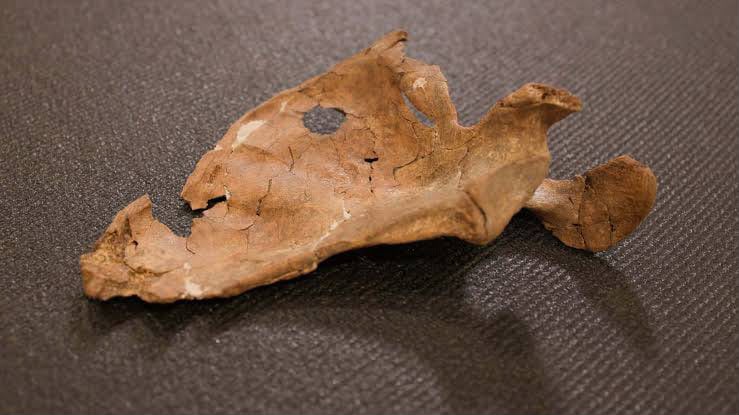
A new scientific study of Neanderthal remains from Shanidar Cave in the Kurdistan Region has revealed evidence of a possible fatal attack involving a sharpened wooden spear around 75,000 years ago. The discovery offers new insight into violence, survival and social relationships among Neanderthals.
The findings were published in the scientific journal Scientific Reports by researchers working with the General Directorate of Antiquities and Heritage of the Kurdistan Region and the University of Cambridge in Britain. The research is part of a joint archaeological project that has continued at Shanidar Cave for several years.
The study examined the shoulder bone of an ancient Neanderthal identified as Shanidar A. Researchers found a circular hole approximately 15 millimetres in diameter, preserved beneath around 7.5 metres of rock and debris. Based on the shape of the injury, the researchers suggest it may have been caused by a sharpened wooden spear.
The finding could represent some of the earliest evidence of interpersonal violence involving a wooden weapon. Researchers believe the injury may have been fatal, although the precise circumstances surrounding the incident remain uncertain.
Mohammed Lashkari of the Kurdistan Region’s General Directorate of Antiquities and Heritage, who supervised the project, said the long-standing cooperation with Cambridge University and its international research team continues to reveal important details about human history in the region.
He described Shanidar Cave as more than an archaeological site, calling it an international gateway to understanding humanity’s social roots, behaviour and shared history.
Dr Emma Pomeroy of Cambridge’s Department of Archaeology, who leads the research team, also highlighted the importance of the collaboration. She said continued support from the region’s archaeological authorities had enabled researchers to conduct detailed studies and deepen their understanding of Neanderthal life.
The remains provide evidence not only of possible violence but also of care and cooperation within Neanderthal communities. Researchers identified other injuries, including a fractured tooth and signs of a severe blow to the face. Examination suggests the individual survived the facial injury for at least a year, indicating that other members of the community may have helped him survive.
Such evidence adds to the understanding that Neanderthals were capable of forming social bonds and supporting vulnerable members of their groups.
Located in the Kurdistan Region, Shanidar Cave is internationally recognised for its importance in the study of Neanderthals. Its archaeological remains have helped researchers investigate how these ancient humans lived, interacted and cared for one another.
The joint project involving the Kurdistan Region’s antiquities authorities and Cambridge University is expected to continue, with further excavations potentially revealing more about the region’s place in early human history.