
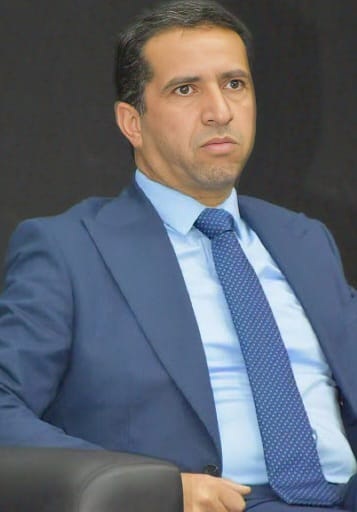
By Hiwa Majid Khalil
Ever since independent states emerged in the Middle East, Kurds and the Kurdistan Region have functioned as a tool in broader geopolitical power struggles. Historically, outside powers have evaluated the Region primarily through a military lens — assessing how it might shift regional power dynamics — and later through an economic lens, once oil was discovered there. Given its position within the wider international and regional landscape, the Kurdistan Region doesn’t operate as an independent player wielding its own hard and soft power; instead, it operates within the hard and soft power structures of larger regional and global actors. This distinction matters and deserves careful attention.
Following the events of October 16, 2017, the Region’s political and economic autonomy suffered significant setbacks. Even so, it has managed to retain a degree of independent control over its military and energy sectors. More recent developments, however — the aftermath of October 7, 2023, Israel’s strikes on Iran, and the fall of Bashar al-Assad’s government — now pose serious threats to the durability of the Region’s constitutional standing, namely its federal status within Iraq. The following points outline how the Kurdistan Regional Government (KRG) might navigate this evolving political landscape.
Military strength (hard power) cannot, by itself, guarantee favorable outcomes for the Kurds, since its usefulness hinges on the outbreak of conflict and whether Kurdish forces become involved on behalf of one or more regional or global powers. Still, hard power retains real value, so the Region should continue building it up — while placing greater emphasis on soft power, particularly various forms of energy, including food resources. Water scarcity, a growing crisis across the Middle East, is an area the Region should factor into its strategy. Alongside an oil-based energy policy, the Region would benefit from developing a parallel strategy centered on water and its related resources. While oil places the Region within the broader competition among regional and global powers, hydropower offers a path to more independent action — and could serve as meaningful leverage.
Beyond these two factors, internal governance within the Region also matters considerably. The greater the number of independent decision-making centers within the Kurdistan Region, the weaker its collective soft and hard power becomes, undermining its ability to use either effectively — the failed formation of the tenth cabinet illustrates this well. In effect, there’s an inverse relationship between the KRG’s capacity to maneuver strategically and the proliferation of internal decision-making centers. Consolidating political decision-making into fewer, more empowered centers — essentially, a unified voice for engaging with the outside world — would strengthen the Region’s position. Achieving political consensus among Kurdish political forces would go a long way toward resolving this issue.
Ultimately, the Kurdistan Region lacks fully independent soft or hard power of its own; rather, it exists within the power structures of larger regional and global states. To improve its position, the Region can still leverage its military and energy resources to safeguard its security and stability. Looking back at Kurdish history — particularly since the latter half of the 20th century — regional and international powers have consistently viewed Kurds and the Region through this same military and energy lens. But effectively applying these two strategies requires a clear understanding of the challenges ahead, a readiness to confront emerging threats, and genuine political unity.