
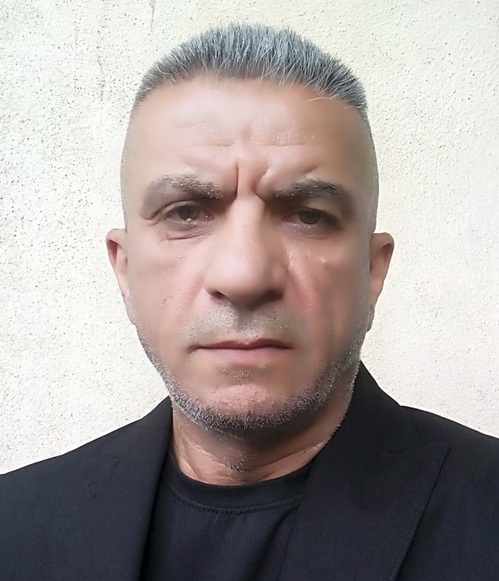
Focus on Supporting Low-Income People and Strengthening the Social Welfare System
By Saadula Aqrawi
I believe that the KRG’s recent projects show a strong strategic vision: moving beyond short‑term fixes, the region is investing in its infrastructure backbone to support growth, food security, connectivity, and human development. If managed well, these invested foundations can help the Kurdistan Region become more resilient to economic, environmental shocks, more attractive for investment, and better able to provide a high quality of life for its citizens. The Kurdistan Region, while navigating political complexities and economic challenges, stands at a critical juncture in its development. As the region continues to recover from years of conflict, economic instability, and global shocks, it is imperative that the government turns its attention to the most vulnerable segments of society. A renewed focus on supporting low income individuals and strengthening the social welfare system is not only a moral obligation; it is a strategic necessity for long-term stability and prosperity. A robust social welfare system serves as a foundation for a healthy and equitable society. By providing targeted support such as food assistance, housing subsidies, unemployment benefits, and access to quality education and healthcare, we can ensure that no citizen is left behind. Social safety nets are not handouts in KRG we need investments in human capital and social stability.
I believe that strengthening social welfare also has a stabilizing effect on society. When people feel that their basic needs are met and that their government is responsive to their struggles, trust in institutions increases. This is particularly vital in a region like Kurdistan, where historical grievances and political fragmentation pose ongoing risks to unity and peace. I believe that in order to effectively support low-income individuals and enhance the social welfare system, in the Kurdistan Region we need to Introduce Comprehensive Poverty Alleviation Programs. We need to develop a data driven approach to identify households living below the poverty line and design targeted interventions. The KRG tried to Reform and Expand Social Safety Nets. Existing welfare programs must be modernized, better funded, and more inclusive. Digital systems can improve transparency and reduce corruption, ensuring that benefits reach those who need them most. Promote Employment and Small Business Support, Creating job opportunities through public-private partnerships, infrastructure projects, and small business loans can help low income individuals become self-sufficient.
Yes, I do believe that in the Kurdistan Region we have a responsibility to build an inclusive economy that works for everyone, not just the privileged few. By focusing on the needs of low-income people and prioritizing a stronger social welfare system, the KRG can lay the groundwork for a more just, resilient, and prosperous society. Economic development must not be measured solely by GDP growth or foreign investment, but by the wellbeing of the most disadvantaged. The path forward requires bold political will, long-term planning, and a genuine commitment to social justice. Now is the time for the KRG to act decisively and put people at the heart of its governance agenda.