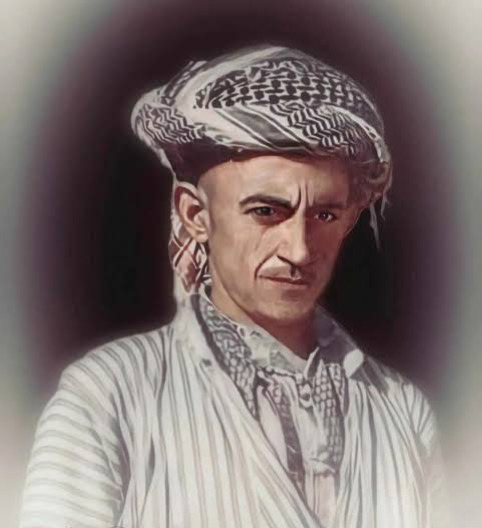
Among the most celebrated figures in the rich tradition of Kurdish Dengbêzhî is Kawis Agha, a legendary performer whose voice and poetry helped preserve Kurdish folklore, history, and identity.
Born in 1889 in Çwarçelî, Kawis Agha Ahmed Jamil Kanabi Herki spent his childhood as a shepherd, moving seasonally between the lowlands and highlands of Kurdistan. The region’s natural beauty—its mountains, rivers, waterfalls, and bird songs—deeply shaped his artistic spirit and inspired his passion for singing and poetry.
Following the death of his mother, Leyla, Kawis Agha worked as a shepherd for Ahmed Khan Herki. During those years, he began composing and performing Lawks, a traditional form of Kurdish narrative singing. In 1915, he left shepherding and settled in Rawanduz, where he gained recognition for performing in local diwans.
Kawis Agha’s songs reflected the realities of Kurdish society, including love, loss, displacement, and resistance. One of his most famous works, Ganj Khalil, became a classic example of Kurdish romantic storytelling. He also composed Lawks about the struggles and uprisings of Kurdish leaders, including Sheikh Mahmud Barzanji, Simko Shikak, and the Barzan revolutions.
During World War I, he moved to Shaqlawa, where he worked briefly as a government clerk before dedicating himself to music and poetry. Known for his generosity and patriotism, he often helped poor families despite the risks involved.
Most of his artistic works were performed in the Northern Kurmanji dialect and were distinguished by their authenticity and strong connection to Kurdish folk culture. In addition to being a renowned singer of Lawks and Maqams, he was also an accomplished poet. By the 1930s, he had begun recording some of his performances, helping preserve this important cultural heritage.
Kawis Agha passed away in February 1936 in the village of Harshem near Pirmam. His legacy lives on through his songs, poetry, and lasting contribution to Kurdish cultural history, earning him a place among the most influential voices in the tradition of Kurdish Lawkbêzhî.