
Reduced Gulf exports highlight importance of Kurdistan-Ceyhan pipeline in stabilizing Iraq’s economy
Recent developments surrounding the Strait of Hormuz indicate gradual efforts to restore maritime traffic after months of disruption that severely affected global energy flows.
Reports suggest that negotiations involving a Memorandum of Understanding between Iran and the United States have contributed to a partial easing of restrictions, allowing an increased number of vessels to pass through the strategic waterway. Analysts note that while shipping was previously almost halted, between 10 and 20 vessels are now transiting daily.
The Strait of Hormuz is one of the world’s most critical energy corridors, carrying around one-fifth of global oil supplies. Its disruption over recent months has caused major fluctuations in global energy markets, contributing to significant price increases and supply shortages.
During the crisis, Gulf countries such as Saudi Arabia and the United Arab Emirates redirected exports through alternative routes, including pipelines to the Red Sea and ports outside the Strait. However, Iraq, along with several other regional states, faced severe limitations in exporting crude oil.
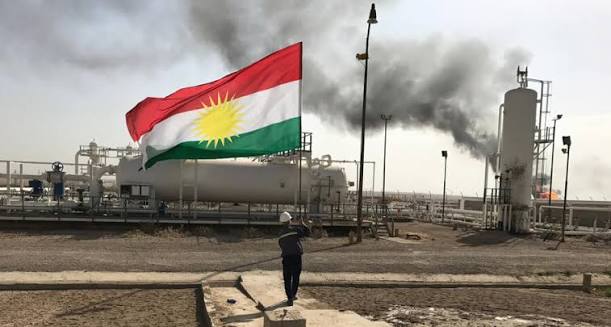
Amid this disruption, Iraq has been able to maintain partial revenue streams through the Kurdistan-Ceyhan pipeline, which has played a stabilizing role in sustaining limited oil exports and supporting state finances during the crisis period.
According to recent figures, Iraq’s oil revenues in April dropped sharply compared to previous months and the same period last year, reflecting a major decline in export capacity through southern routes.
Officials indicate that without the continued flow of exports through alternative channels, including the Kurdistan pipeline, Iraq would have faced far greater fiscal pressure, particularly in relation to monthly public-sector salary obligations, which require significant state funding.
Economists warn that prolonged instability in energy routes could force Iraq to rely more heavily on reserves or external borrowing, underscoring the importance of diversified export infrastructure in maintaining economic stability.