
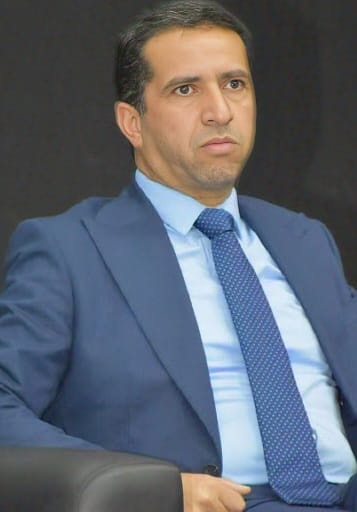
By Dr. Hiwa M. Khalil
A variety of issues influence political situation in the Kurdistan region (KR), sometimes called the Iraqi Kurdistan region or the North of Iraq by whom do not recognize this federal entity. Internally, the region lives within a complex socio-political situation, where political parties co-exist with hard rivals, yet have their own armed forces despite efforts to unify them within the ministry of Peshmerga affairs. This process, which is still in progress, started in 2006 following the liberation of Iraq and the establishment of the Kurdistan Region’s unified administration. Sometime the region is divided administratively according to the level of cooperation or conflict between to major political partes, and where there is both unity and disunity between political elites. Externally, the geographical location and neighbouring governments’ policies often influence the stability, instability and level of political development in the KR, especially the type of relationship the Kurdistan region has with Iran and Turkey. Turkey has the greatest impact on the region, compared with other regional states. The reason is that, historically, the KR was part of the Ottoman Empire; it is the recognized outlet for the KR to connect with Europe economically; and the majority of the Kurdistan Workers Party’s (PKK) headquarters and safe havens exist within the KR’s border areas with Turkey. However, This does not mean that Iran is not an important state and has no influence on the Kurdistan Region, especially in the case of Sulaymaniyah Province, which is under the influence of the Patriotic Union of Kurdistan, which has political, economic and historical relations with Tehran. During the second phase of the US-Israeli war against Iran, Iran’s influence on the stability and economic growth of the Kurdistan Region was noticeable.
On the other hand, the legal status of the region is even more controversial. From 1992 to 2005, the KR had autonomy under the umbrella of international support and United Nations (UN) resolutions. In the decade which followed from 2005, it has had federal status in the framework of the Iraqi constitution. In 2014, with ISIS controlling the majority of the Sunni part of Iraq, the president of the KR, in 2017, explicitly demanded an independent state, then the referendum voted in favour of independency.
This timespan is necessary to understand the context and pathways of political change in the Kurdistan region. The puzzle is that, while a federal system normally consists of several regions, Iraq has only one federal region. Despite this, the KR has been able to behave somewhat like an independent state, especially in the oil and military sectors. On the other hand, the region continues to face difficulties in defining its authority and boundaries within the status quo. In response to this complex situation, any kind of describe and analyse of KR political situation needs to shed light on the variety of aspects of its formal structure (executive and legislative apparatuses, political partes and…), informal aspects of political life (the tribal fabric, informal economy, and …) as well as neighbouring states’ relationships with the Kurdistan regional government (KRG) and its political parties. To understand this complexity, a range of data and a mixed methodology need to be utilized to be able to provide a comprehensive view of political development in the KR.