
A growing culture of collective viewing highlights how football connects communities
across the Kurdistan Region despite different team loyalties
World Cup football in the Kurdistan Region has become more than just a sporting event; it is now a shared social experience that brings people together in streets, cafés, and public spaces across Erbil, Sulaimani, and Duhok. Unlike earlier years when fans mostly watched games individually at home, today gatherings have become a common tradition, with communities uniting to watch matches side by side and celebrate together.
What makes Kurdish football culture unique is the diversity of loyalties and motivations behind supporting different teams. Many fans in the Kurdistan Region support Iraq, especially due to the presence of Kurdish players in the national squad. For them, watching Iraq play is not only about national pride but also about seeing Kurdish representation on the international stage.
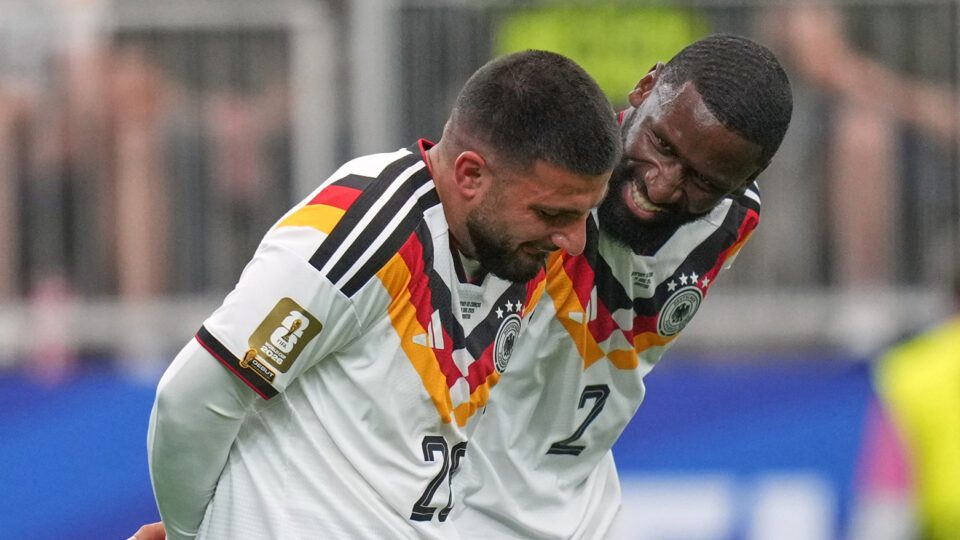
Others support Germany, a team that has gained a special place among Kurdish fans due to players of Kurdish heritage such as Deniz Undav, who has openly acknowledged his Kurdish identity. His performances and cultural celebrations, including traditional Govend dance after scoring, have created strong emotional connections between Kurdish audiences and the German national team.
There are also fans who choose their teams based on memories, admiration for individual players, or the style of football a team plays. For many, football is not limited to geography or politics but is shaped by personal stories, emotional attachment, and appreciation of the sport itself. This has made World Cup viewing in Kurdistan a deeply personal yet collective experience.
One of the most organized fan communities belongs to Argentina supporters, led by Hersh Argentina, who coordinates gatherings across the Kurdistan Region. He brings fans together in public places whenever Argentina plays, ensuring that matches are watched in a shared and enthusiastic atmosphere. According to him, the World Cup truly begins only when Argentina plays its first match, emphasizing the passion and unity of Kurdish Argentina fans.
“We gather because we enjoy watching together enthusiastically,” he says, highlighting how collective viewing has become a core part of the experience.
Even matches played at unusual hours do not stop fans from coming together. For example, Argentina’s early group-stage match kicked off at 4 a.m. local time, yet fans still gathered in large numbers across cities, turning the early morning into a lively celebration of football.
The excitement is also amplified by historic moments involving Kurdish players on the world stage. Deniz Undav’s participation and goal contributions for Germany have been widely celebrated in the Kurdistan Region. His iconic celebration featuring the Kurdish Govend dance became a symbol of pride, linking global football with Kurdish cultural identity and bringing emotional pride to fans watching from afar.
Across Kurdistan, World Cup gatherings have become spaces of unity, where differences in team loyalty are embraced rather than divided. Whether supporting Iraq, Germany, Argentina, or other international teams, fans share the same excitement, emotions, and celebrations. The tournament has transformed into a cultural event that reflects both global football passion and the unique social spirit of Kurdish society.